 by
A pie stand on the roadside with 3 parking spaces. A trailhead 12 miles off the main road. A place to camp overnight because the drive the next day is nicer. The big trends around road tripping aren’t making it less spontaneous but providing ways to make that spontaneity more rewarding.
People still want the experience of a long road ahead to an interesting destination. But they want to be more selective about stops along the way. Is it worth doing? Will the RV get there? Is there a mobile signal?
The road trip trends worth planning around
1. Travelers are trading rushed miles for better stops
Does it add significantly to the day to make a long drive an experience rather than just getting from A to B? This leads to a more planned road trip. The best way to do this is to plan around some key stops that you really want to do and then try to find an interesting road between those points to do as much of the ‘driving’ experience as possible.
This means the quickest road isn’t necessarily the best one to take. People are trying to limit the amount of driving they do in a day to allow time for the above stops, finding quirky museums, shops, swimming holes, nice diners, visiting small towns along the way. Stops that make the journey more than just driving between places to stay.
This doesn’t mean you do this for the whole journey. If you’re going to Yellowstone and have a booking to get there you may need to do a fair bit of fast driving on the first day. The key is identifying where you can do the slower and more interesting drive.
2. Shoulder-season trips are becoming the smart play
On this basis, it’s still very much a summer activity (and the basis for many school half term and national park trips). However, more people are doing it in spring and autumn when it’s better for walking and generally less busy and heavily sought after to find a place to camp overnight.
It allows for a more flexible journey. It changes the experience of doing well-known drives. You can comfortably do some of the desert drives. You get a lovely slower experience of mountain towns and scenic drives with wildflowers and autumn colors rather than being stuck in traffic.
It can also extend a trip budget. But don’t expect places to be cheap at other times of the year. Key leaf-peeping destinations, holiday weekends and beach towns in good weather will be full price.
The downside is the shorter days, weather, seasonal opening and availability of restaurants so you need to do a bit more forward planning around these places. Know when they are open and closed, bring warm clothes and have an alternative destination in mind before heading far out on a road.
3. Shorter trips are getting more specific
Many great trips don’t require 2 weeks and a lot of luggage. Short or 4-5 day trips are becoming more thematic. A tour of Great Lakes lighthouses, a trip around Central Texas focused on BBQs, a trip along the Blue Ridge Parkway or a drive along the CA coast centered around tide pools and eating tacos.
This helps focus the trip and makes it easier to find other things to do and see around those key themes to extend the trip. Leave plenty of scope for an interesting hand-painted sign, something you find out about a place from someone locally or an opportunity you only spotted by looking off the main road.
4. RV travel needs more planning around the route
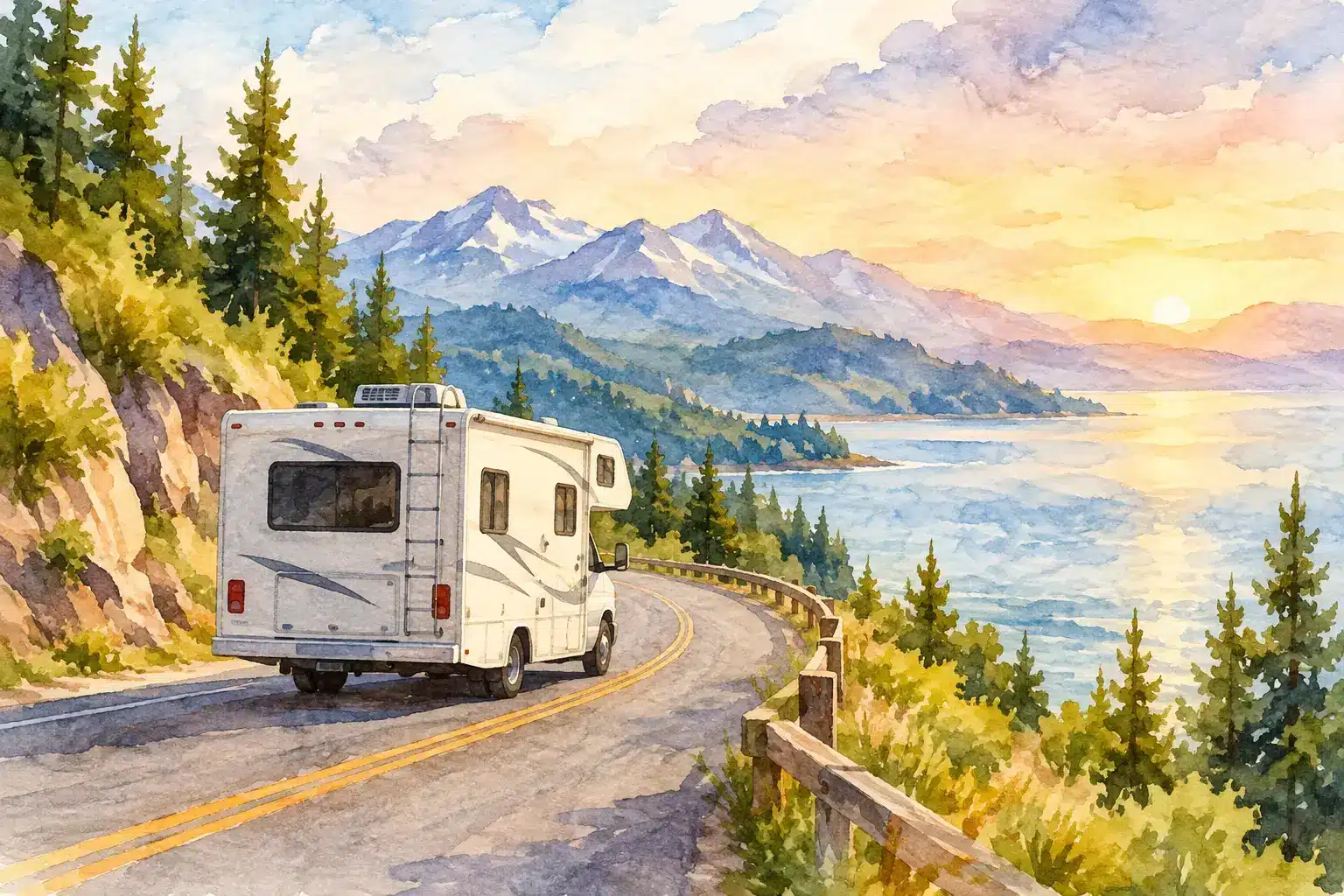
RV trips are still popular because you take your bed and kitchen and favorite mug with you. The finer details of the journey are far more relevant when doing this in a larger vehicle. A seemingly suitable route may involve very steep, steep gradients, very tight bends or lack of clearance for a large vehicle. It may involve a petrol station you can’t access.
RV travelers plan around these factors as well as where they want to go and do. They check key details about campgrounds (length of vehicle allowed, facilities at the site, opening times, ability to empty waste tanks and dump at the site, overnight parking etc) before planning a day of driving. The ideal trip finds a balance between the destination and a sensible way of getting there.
You need to be able to adapt this plan. It may no longer be suitable if the weather changes, the campground is full or you’ve had a long day driving and it makes more sense to stop earlier.
5. Travelers are building plans that work without signal
Having offline maps, alternative plans and navigation that accounts for the above makes adapting the plan much easier. Generally the more remote the destination the less useful your phone is. This doesn’t mean you shouldn’t visit the road at the end of the forest, the scenic point in the valley or the campground down a long dirt track, but you need to be prepared to do so once you lose phone signal.
You need to have key details of the destination saved and screenshotted (e.g. gate codes). Old fashioned planning around the next stop, having plenty of water, a paper map in the car and informing someone where you are going if the journey becomes remote is highly relevant.
Crucial to all of the above is the ability to do this without needing to refresh a website at each major turning point of the journey. There are significant costs involved in a day out that you should be looking to budget for flexibly around this. Rather than choosing a ballpark figure and hoping that’s sufficient you should have an idea of the costs of food, shopping, entry to sites and fuel etc involved in the day.
6. Budgeting is moving from one big number to daily choices
You need to plan for the trip you want to do. A foodie might spend far less on accommodation and more on great places to eat. A family in an RV will spend little on accommodation but more on running the vehicle and finding places to stop and hook up. Driving an EV will require different planning around stops to charge the vehicle (particularly in rural places).
You do need to allow for costs for the above, food and things to do, plus a contingency. From there you can decide where you want to spend more money. A focus of the trip might be a guided boat tour, but you can offset this by spending very little on accommodation (e.g. a basic campsite). It’s useful to have a list of places you want to see but that doesn’t tell you if it’s suitable for your day out.
7. Local knowledge is beating generic checklists
Is it busy by midday? Does the cafe close at 2pm? Is it suitable for children and dogs? Is it worth an hour of your time or just stopping to see the outside of it? People want more information around these places than just a point on a map.
They want to know what it’s like, suggestions of other places to see around it to form a roughly sensible itinerary for the day and journey. It needs to be appropriate to the people you’re with, the type of vehicle you’re driving, the style and pace of your trip and the wider journey you’re doing.
This leads to the fun part of planning the trip. On Roadtrippers you can then do this alongside exploring millions of other places to visit and build a bespoke trip around the ones that appeal to you.
8. The trip is becoming a shared project
Road trips are a social activity. You debate the music. The kids decide where to stop for lunch. More and more people now do some shared planning around the trip. One person plans the route, another suggests places to eat along the way, others find points of interest, camping stops, walking opportunities etc.
This prevents one person doing all the work while the others assume the next leg of the trip will naturally fall into place. It allows for different people to focus on different aspects of the trip: the early starter finding scenic stops to see the sunrise, the foodie finding places to stop for lunch, someone being pragmatic about how long the next leg of the drive is.
There needs to be an overall arbiter of this list as far many suggestions as there are stops becomes a massive discussion around the weekend. You need to decide the general pace of the trip and the one or two key things you definitely want to do.
Plan a route with room to roam
This has led to the best part of the above: the idea that the trip should be tailored to the people doing it. Some people want a well-plotted tour of key places to see. Others want a rough destination, a tank of fuel and the freedom to stop at anything interesting you see on the way.
The key stops above, with further stops added to flesh the trip out and provide opportunities to do things. Plenty of time built in for the above extending into a long lunch, bad weather/traffic and a detour that provides the ‘great story’ from the trip to tell once you’re back home.
Meet the Author
Get more vacation inspiration straight to your inbox.
By entering your email, you agree to receive marketing emails from Roadtrippers. You can unsubscribe at any time. See our Privacy Policy.


 Download from Play Store
 Download from Apple App Store
