Your first choice on a cross country drive isn’t I-80, I-40 or the road through a national park. It’s what kind of trip you want to have. A good cross country driving guide starts with that question. Then it makes a long, beautiful stretch of our country manageable in days. In it you might find roadside dinosaurs, overlook pullouts, pie shops and maybe a detour.
A cross country drive could be your move to a new city, a family vacation, a chance to visit the national parks or a chance to drive some of the weird and wonderful stuff in this country. Your pace, vehicle, budget and purpose should match that. And you shouldn’t aim to drive through every state. Rather, you want the trip to include the miles.
Start Your Cross Country Driving Guide With a Realistic Pace
The map will tell you you could drive through several states in one day. But your body, your kids and your curiosity might not agree. For most people, a good driving day would be 300 to 450 miles. That depends on the road, weather, traffic and whether you want to stop along the way. Probably five to eight hours of driving, before you factor in meals, bathroom breaks, gas and unexpected attractions.
In a week, pick a straight route and a few must-see stops. In two weeks, you could include some national parks, scenic byways and maybe a couple of rest days. In three weeks or more, you could spend some time in places that don’t easily make it onto a highlight reel.
Don’t plan all your overnight stops before you head out. Save the most important nights for: cities you want to visit, holidays, popular areas of the national parks and parts of the country with few campgrounds. And build some space between those. That way, when a local describes the best green chile cheeseburger in town, or a fossil bed or a good swimming hole, you could take a detour.
Pick a Route That Matches Your Travel Style
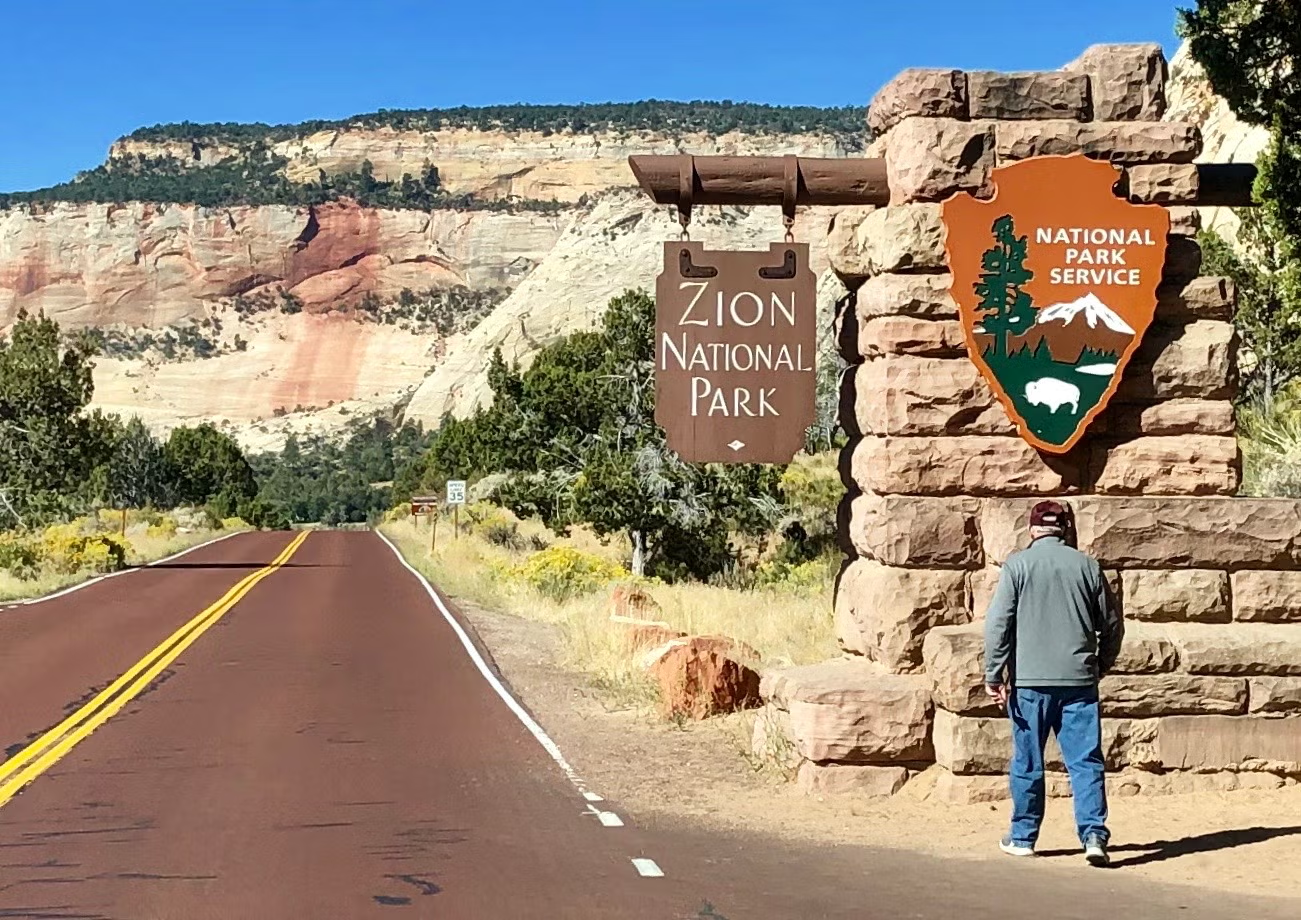
There’s no “right” cross country route in this country. Going north you could drive past mountain towns, the Badlands, the shore of the Great Lakes and through weather extremes. Central routes have big skies, Route 66, and access to a range of national parks.
Southern routes tend to be warmer in the winter. They tend to include more deserts, barbecue, beach, and big-sky sunsets.
First, think of your must-see places. Maybe they’re the Grand Canyon, Yellowstone, New Orleans, a family reunion or a campground on the Blue Ridge Parkway. Mark those on your route. Next, try to follow natural groupings of places, instead of shooting across the country for every famous spot.
An interstate route saves time. You’ll more easily find food, fuel, services and lodging. And it would be a good idea if weather were approaching or if you had a tight schedule.
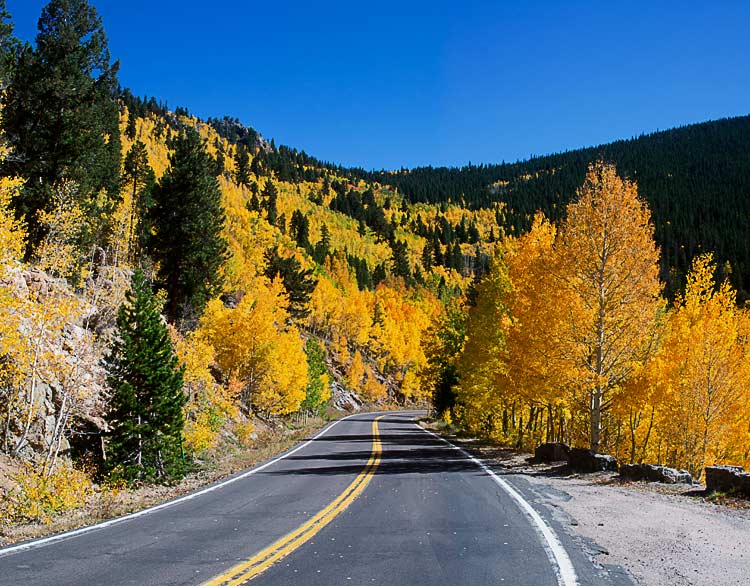
With a scenic highway, you’ll pass more small towns and get better views. But the drive will take longer. Use it intentionally on parts of your trip where you’d enjoy driving.
And for RVers, a route isn’t just about the view. Before heading into a pass, for example, or down a city street, think about height clearance, grade, restrictions on propane, access to campgrounds, fuel, and overnight parking. An easy route in a sedan might well be dangerous or stressful in your motorhome with a car in tow.
Build Days Around Stops, Not Just Mileage
A good long drive has shape to each day. Don’t just plan 380 miles each day and hope for the best. Instead, pick a reason to stop in the morning, a place for lunch and a reason to pull over in the afternoon. In that way, each day resets. And your drive isn’t just a string of gas stations.
Consider the little-known gems along your route. Maybe a sign on a historic motel, a drive-in movie theater, a state park overlook, a small town’s main street or an odd little museum. Often these are the things people remember most about your trip.
Roadtrippers can help you build in such places, along with more practical ones, into your route. And in that way, your trip could include the well-known spots, as well as the unexpected ones.
Be honest about who is traveling with you. Young kids often need playgrounds, short trails, and earlier stops. Teenagers may care more about swimming, food, and reliable cell service. Couples might happily spend an afternoon on a back road. Pets need their own breaks and lodging considerations. Planning for the actual people in the vehicle is smarter than planning for an imaginary perfect road trip.
Budget for the Road You Will Actually Drive
Often, the biggest variable expense in a truck, camper or RV is fuel. To estimate fuel costs for a trip, use the highway mileage actually achieved in the vehicle, not its best mileage. And add a little for detours, traffic, headwinds and climbs. Fuel prices vary greatly from state to state. And they’ll vary depending on how far the vehicle is from the interstate.
Often, travelers could save money on lodging by camping instead of staying at a hotel. This could be nearer to lakes, trails and dark skies. But many campsites require reservations months in advance. Often the best approach is to camp some nights, stay at a hotel when air conditioning and laundry are needed, and then build some room in the budget for a special spot if a place deserves it.
Other costs to consider: park fees, tolls, parking, ice, laundry, campground utilities, pet fees, snacks and maybe a repair. Before leaving, save some money for emergencies. A tire replacement or a chip in the windshield would be less upsetting if it didn’t ruin the trip.
It’s cheaper and less stressful to check a car before leaving than to try to find a mechanic in an unfamiliar town. And give enough time to handle anything that comes up.
Prepare Your Vehicle Before It Becomes a Problem
Check the oil and other fluids, the tires and tire pressure, brakes, lights, wipers, battery, air filters and spare tire. And make sure the lug wrench, tire lock key and jack are in the car.
It is helpful to throw together a simple emergency kit. In it, include a flashlight, first aid items, reflective clothing, water, a tire inflator and basic tools. In the mountains or in cold weather, throw in blankets, warm clothes, traction for the vehicle and food. In summer, if driving in the desert, pack more water than is thought to be needed.
Watch the engine temperature gauge while driving. For RVs and trailers, check the tanks, brakes, tires, hitch and seals. Know the vehicle’s length, weight, height and range. They’ll help a driver decide which road, bridge, campsite and gas station to choose.
More often than might be expected, cell service disappears on a trip. Most often this happens in valleys, mountain passes and across much of the West. Before heading out, download maps for the phone.
Make Navigation Work When Service Does Not
Keep in mind where campground reservations, confirmations and key addresses might be when there is no cell service. In a pinch, a paper atlas can be useful. More often than not, a phone screen doesn’t give the big-picture view.
Every morning, check road conditions along the route. Not just the day the trip starts. High winds, wildfires, flooding, snow, traffic in town and construction can all quickly derail even the best plan.
When a day starts to unravel, consider simplifying it. Cut that extra stop. Take the straighter route. And save plans for tomorrow rather than risk a long, exhausting drive. And think about fuel on the drive.
In the country, more often than not a driver will want to fill up sooner than usual. That’s especially important if towing, driving an EV or heading out at night. And the same goes for food and water out in the country. Better still, when driving independently, travelers enjoy it more when they know they have enough fuel, food and water, and that the gauge isn’t slowly creeping toward empty.
Leave Space for the Best Parts
A cross-country trip changes every day. Maybe weather sends the trip south. Maybe a ranger tells a traveler there’s a better trail. Maybe a sign by the road tells about the world’s largest something. Suddenly a planned afternoon takes a different turn.
That wouldn’t necessarily be a bad plan. And that’s the point of building some flexibility into plans. Keep fixed in the mind the reservations, safety needs and how much driving is wanted each day. And keep other things more fluid.
Stop at the overlook. Get the local specialty at dinner. Spend an extra hour in the evening if the light is nice. The country is so big. In one trip a traveler could never see it all. But a traveler could make this part of it their own.
Meet the Author

Get more vacation inspiration straight to your inbox.
By entering your email, you agree to receive marketing emails from Roadtrippers. You can unsubscribe at any time. See our Privacy Policy.



 Download from Play Store
 Download from Apple App Store
