A simple, step-by-step guide to a fast roof tent setup, which tents are actually “60 seconds,” and how to make late-night stops easy.
Key takeaways:
- A true 60-second roof tent setup means: park, pop latches, let gas struts lift the shell, pull down the ladder, and your bed is ready.
- The quickest tents are hardshell clamshells and pop-ups; fold-out “hybrid” tents add more floor space but a few extra steps.
- Speed is not just the shell opening; keep bedding inside and have built-in lights and power to save minutes every night.
- Check your roof weight limits and rack before you shop; many fast tents are heavy and may need a full rack system.
Further reading...
Why a 60-second roof tent setup matters on road trips
A fast rooftop tent lets you pull off the road, open a couple of latches, and be in bed in about a minute. No stakes and no hunting for flat ground.
Modern hardshell tents use gas struts (think “super strong hatch shocks”) and simple metal latches. Crack the latches, the shell pops up on its own, and the mattress is already inside. Your only job is to pull down the ladder and toss your overnight bag up top.
For road-trip overnights in parking lots, rest areas, or quick boondocking spots, that speed is a big deal. It keeps you:
- less tired
- less visible
- more likely to actually stop and sleep instead of pushing on
The basic 60-second rooftop tent routine
Here’s what a “real” fast roof tent setup looks like for most hardshells and hybrids:
- Park and set the brake
- If you can, choose a spot that’s roughly level.
- Turn the nose of the car into the wind if it’s gusty; wedge tents like that.
- Unlock and pop the latches
- Most quick tents use 2–4 big over-center latches you can use with gloves on.
- Flip them open; that’s it. No straps to unthread.
- Let the tent lift itself
- Gas struts push the shell up into a wedge or box shape.
- In normal temps, this takes just a few seconds.
- Pull down and lock the ladder
- On clamshells, you just hook the ladder and adjust the angle.
- On fold-out hybrids, pulling the ladder also flips the extra floor out and opens the big bed.
- Do the “nice-to-haves” if you care
- Pop window awnings or kickstand-style rainflies.
- Switch on the built-in LED lights or plug into the tent’s USB ports.
If your sleeping bags and pillows already live inside the tent, you’re done. No extra setup, no digging in bins.
The fast tent types, in plain language
You’ll see three main styles that can honestly claim a “60-second” roof tent setup:
- Clamshell / wedge hardshells
- Vertical pop–up boxes
- Fold-out hybrid hardshells
Let’s learn more about each of these rooftop tents.
1. Clamshell / wedge hardshells
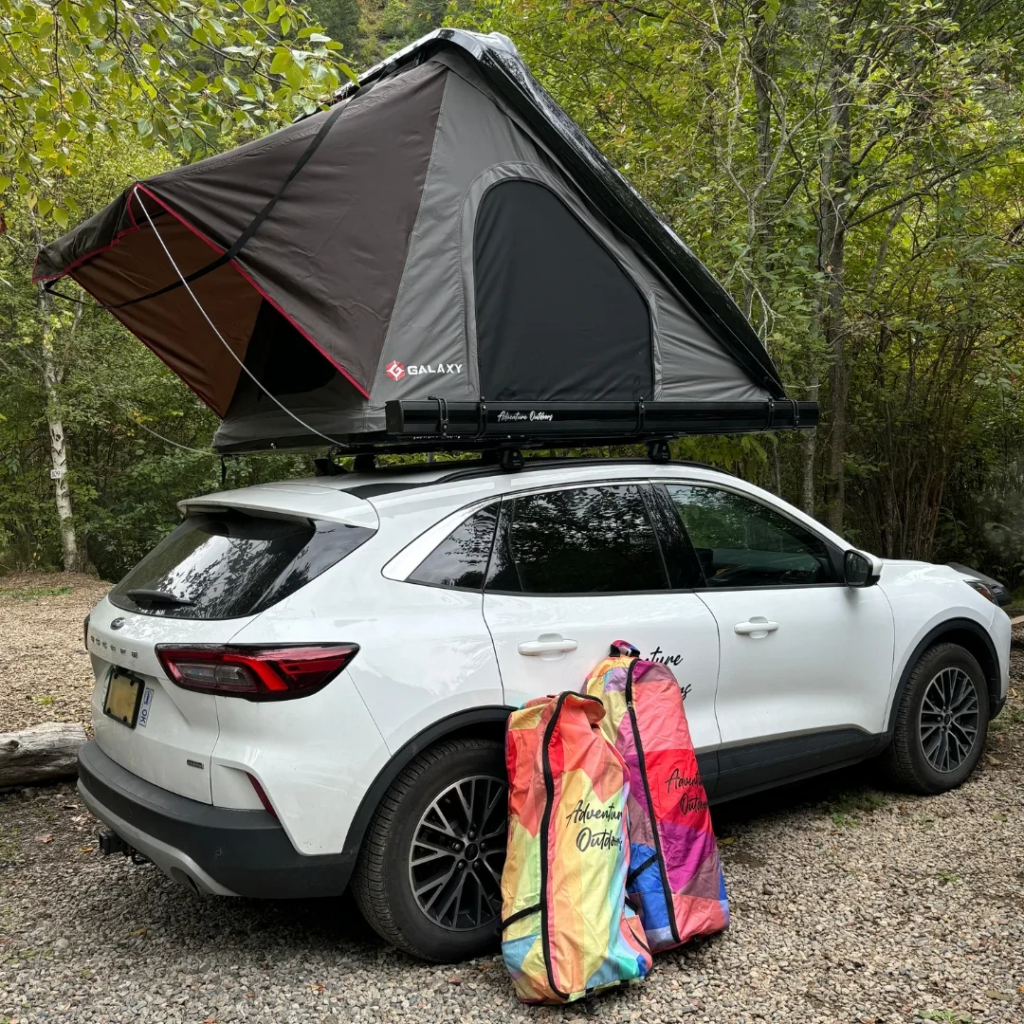
These open like a giant metal laptop on your roof (ex., Alu-Cab Gen 3-R or The Bush Company LX27).
Why they’re so quick:
- Only one side lifts, so the motion is simple and very strong.
- Gas struts do the work; you just release two latches.
- The wedge is great in the wind if you park with the low end facing gusts.
Nice perks:
- Strong aluminum shells can often carry gear like solar panels or boards on top.
- Deep lids have room for pillows and thick bedding so your bed is always ready.
Best for: Solo travelers or couples who move camp every night and care more about speed and weather strength than floor space.
2. Vertical pop-up boxes
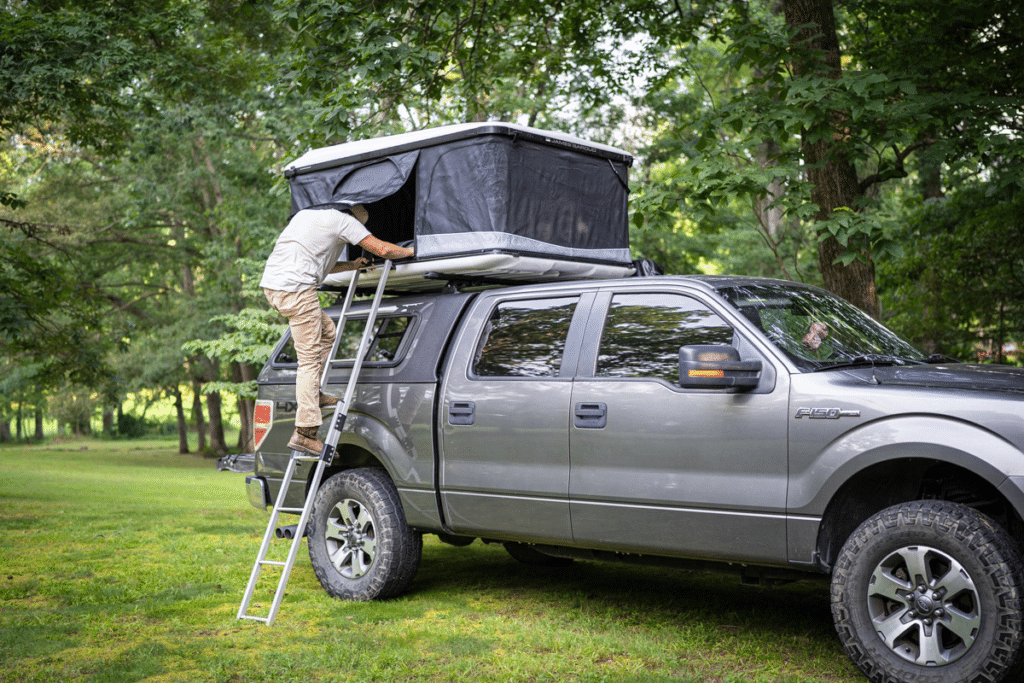
Tents like the James Baroud Odyssey lift straight up, so you get four tall walls and big windows.
Why they’re cool:
- Bright, boxy interior with almost 360-degree views.
- Good if you like to sit up and hang out in the tent.
What to know:
- Setup is still fast thanks to gas struts, but you’ll watch that all four corners clear the fabric.
- Integrated solar fan helps move moist air out, which cuts down on morning condensation.
Best for: People who want more “tiny room” vibes than “low bunk,” and who camp in damp or coastal areas.
3. Fold-out hybrid hardshells
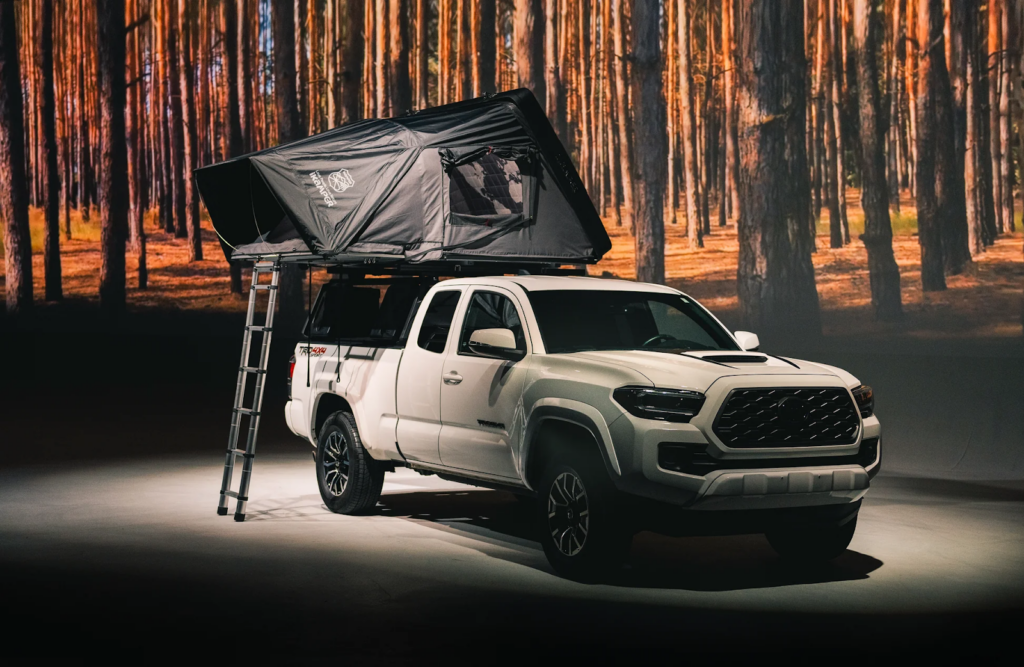
These mix a hard lid with a fold-out floor to double the sleeping space. iKamper Skycamp 3.0 and Roofnest Condor 2 are good examples.
Why families love them:
- The lid pops up, the floor folds out, and suddenly you have a big bed for 3–4 people.
- Setup is still around 60 seconds for the main tent once you know the motions.
Little extra steps:
- You may clip in or prop up window awnings (some brands use spring rods, others simple kickstands).
- “Air” models with self-inflating mattresses need a brief valve twist, but they pack down clean and help pull fabric in when you close.
Best for: Small families or duos who want more room to spread out, but still want a fast roof tent setup at the end of a long driving day.
How to make it truly “park, pop, sleep”
The shell opening is only half the story. For a real 60-second routine, set your tent up to need almost no extra fuss.
Keep your bedding inside
If your tent can store sleeping bags and pillows when it’s closed, life gets easier.
- Deep-lid clamshells like the LX27 are built so you can leave even thick winter bedding inside.
- Newer hybrids like the Skycamp 3.0 reshaped their shells so sleeping bags can stay in, too.
No more stuffing bags into sacks at night or in the morning.
Use built-in lights and power
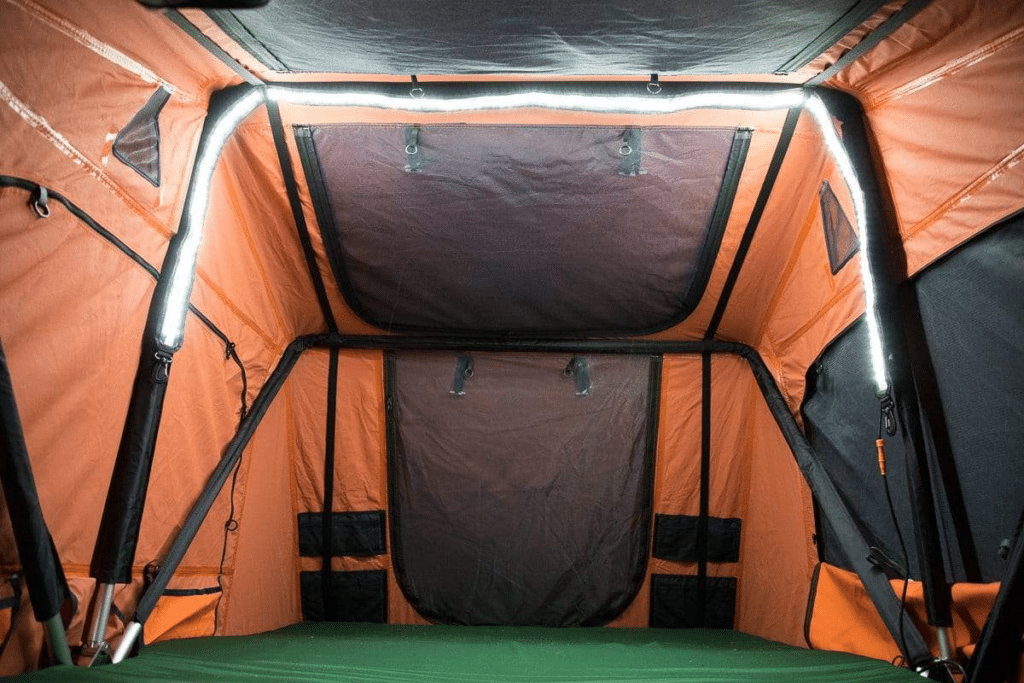
Many fast tents now include:
- LED light strips inside and sometimes outside
- USB ports or 12V plugs for phones and fans
You flip one switch instead of hanging lanterns every night.
Aim the tent at the wind
A quick wind plan makes a big difference:
- Wedge tents like to point their low nose into the wind; it stays quieter and more stable.
- Tall box tents can flap more in big gusts; if it’s howling, be ready for noise.
If you know it’s going to blow, choose a spot with trees or a berm upwind.
Don’t forget condensation
In cold or wet weather, everyone’s breath turns into water droplets on the shell.
Help your setup (and pack-down) stay quick by:
- Using an anti-condensation mat under the mattress
- Cracking a vent or a window
- Letting any built-in fan run if your tent has one (like the solar fan in some models)
This keeps your bedding drier and your morning routine shorter.
A simple late-night arrival setup sequence
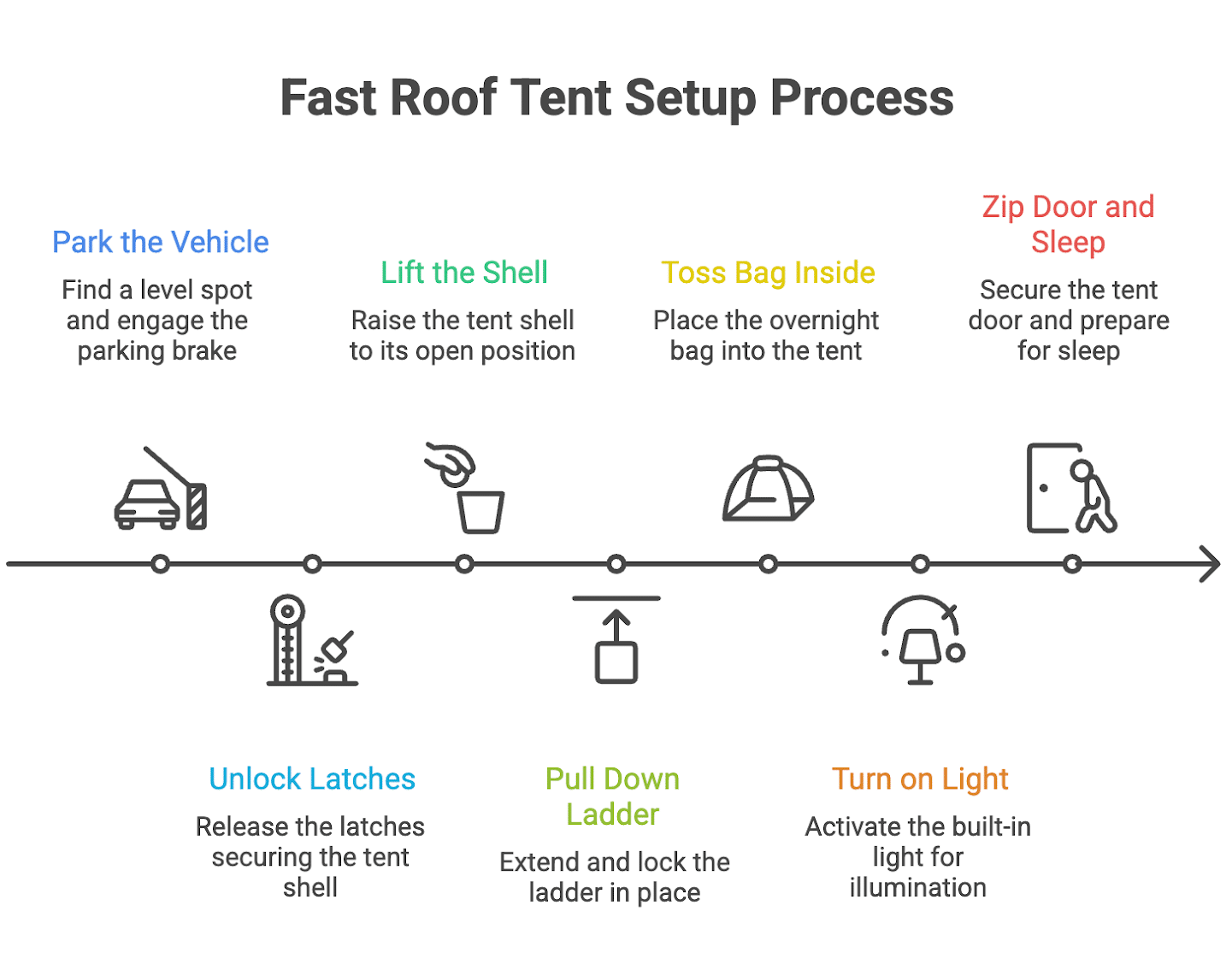
Here’s how a fast roof tent setup feels in real life when you pull into a random overnight spot:
- Park as level as you can and click the parking brake.
- Unlock and pop the tent latches.
- Let the shell lift; help it a bit if it’s freezing out.
- Pull the ladder down and lock it in place.
- Toss your small overnight bag into the tent.
- Hit the built-in light.
- Kick off your shoes, zip the door, and sleep.
In the morning, reverse it:
- Throw your bag to the car
- Close windows and vents
- Push the roof down while folding fabric inward
- Clip the latches and go
With a little practice, both directions can be under 5 minutes, even if the “60 seconds” is only the actual tent motion.
Things people forget: Weight, racks, and cars
Fast tents are not light.
- Many clamshell and hybrid tents weigh between 160 and 240 pounds.
- A lot of stock roof rails top out near that number (or below it) before you add the rack itself.
Before you buy:
- Check your vehicle’s roof load rating (dynamic / driving weight).
- Add up tent + rack + any gear on top.
- If you’re close to the limit, plan on a full rack system and possibly suspension upgrades if you’re doing long dirt roads.
Also remember: big tents are big to lift. You’ll want at least two strong friends (often four) to mount or remove one.
Frequently asked questions
Mostly yes, for the tent itself. Once you’re used to your system, opening the shell and dropping the ladder is about a minute. Packing gear, zipping windows, or adjusting awnings adds time, so think of it as “1 minute to bed, 3–5 minutes to fully settle in.”
Some all-aluminum clamshells are built for this and can lift with roof bars, solar panels, or light gear attached. Others, especially plastic shells, are not. Overland versions of some hybrids (like the Condor Overland 2) add tracks to carry gear, but always check the manual before loading the lid.
Not really. Softshells often need cover off, fabric unfolded, and rainfly that’s staked or tensioned. They’re roomy and cheaper, but they usually can’t store pillows inside and take longer to open and close. Fast hardshells win on quick overnights.
Cold temps make gas struts weaker and the oil inside thicker, so the roof may not “fly open” by itself. You might have to help lift it, especially with snow on top. Condensation also ramps up, so vents, fans, and anti-condensation mats become even more important for a quick pack-up.
Plan quick overnights with roadtrippers
Once you’ve picked your style of fast rooftop tent, tie it into your route. In Roadtrippers, you can drop pins for:
- late-night trailhead or truck-stop overnights
- campgrounds where you’ll stay more than one night
- quick morning coffee or grocery stops near your sleep spots
Save the trip, share it with your crew, and download it for offline use. That way your 60-second roof tent setup works hand-in-hand with a mapped-out plan. Park, pop the tent, and let Roadtrippers tell you where the next easy overnight is waiting.
Meet the Author



 Download from Play Store
 Download from Apple App Store