The best van life adventures don’t always begin with a pin on the most well-known overlook. More often they begin with a question: What kind of day does a traveler want?
In this guide to van life destinations, the goal is to point toward places suited to a rig, a comfort level and a desire for interesting detours. Maybe that means waking up under red rock cliffs, paddling a lake, or pulling over at a diner with a glowing neon sign.
A good destination isn’t just a nice photo. For a van traveler, it should have reasonable roads, reasonable parking and reliable supplies. And there should be enough time to spend there. Think about those things and the open road feels more like freedom.
Choose van life destinations that fit your travel style
Think more of the day than the state line. One possibility for a weekend trip is a national park and a few special stops along the way. Another might be a series of regions over a longer trip. That way a traveler could hit different weather, take a day for maintenance and even spend an extra night somewhere.
Different kinds of van life can be found in mountain towns, desert public lands, coastal byways, forest service roads and arts districts in small cities. But often they come at a price: more self-reliance. A camp in the high desert could mean peaceful mornings and wide open skies, but also no water, spotty cell service, long trips to the grocery store and rough roads.
Let your van set the boundaries
Many scenic byways can be done in a low-clearance camper van. But that van wouldn’t be right on every adventurous washboard road. A bigger van (converted from a van) needs more space for turns, more room in parking spots and clearance under branches.
Before heading out to a destination, think about road grade, closure status, parking size and road condition. And think about whether a vehicle length would fit in a campground.
Most importantly, this applies in older downtowns and popular national parks. A traveler could drive right up to that postcard view, but it could be 30 miles to the closest place to spend the night. That’s not a reason not to visit this place. It’s a reason to build the arrival and departure into the adventure.
Follow the season, not just the calendar
In a van, weather is personal. In a heat wave, windows stay open at night. With a cold front, more battery power, propane and warm clothes are needed. In snow, a scenic route up a mountain might well become a detour. And in summer, a normally quiet town by the coast could well become a parking nightmare.
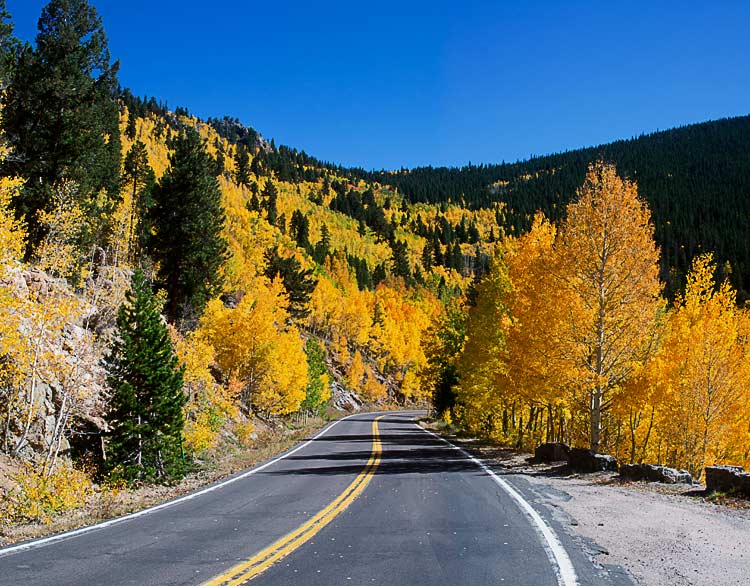
Often in spring a traveler would want to drive through the desert, see wildflowers and waterfalls. In summer, the focus might be northern parks, lake towns and high-elevation roads. In fall, one could hit the trails in cooler weather and take scenic leaf-peeping routes. And in winter, the route might head to lower elevations, sunnier places and less crowded campgrounds.
Each season has its own strengths for different people. Only one season will work for a specific setup and priorities.
Build a route with room for the good stuff
A trip in the van can seem straightforward on a map. But in reality, in a 250-mile day a traveler might well stop for gas, groceries, parking at a trailhead, road construction and a detour to the world’s biggest ball of twine. That’s not something to try to avoid. Rather, leave space in a trip to appreciate it.
Rather than just one destination, think of a trip in clusters of places. Let’s say the goal is to drive to Moab. Allow time in the trip for local food, river drives, wildflowers and trails. Don’t just spend one night there and move on.
If driving the Blue Ridge Parkway, consider adding the overlooks to the plan, rather than skipping over them as pins on a map.
Roadtrippers can help plan a multi-stop trip through the strange and wonderful. And it keeps things like campgrounds, traffic, fuel and navigation for a van top of mind. Look at the destination on the map. What’s nearby? Then pick detours that would be worth an extra hour of the trip.
Plan overnights with care and respect
Planning your sleep is probably the least exciting part of van travel. And it’s probably the most important. A great destination doesn’t feel so great when, in the dark, you circle and circle looking for somewhere legal to sleep.
Most reliable for sleep are campgrounds. And most of all when you want water, hookups, showers or a site close to a popular park. On public land you could often find more privacy and better value than at a campground, but the rules vary by agency and by location. And you can’t always camp in the backcountry. On a map, a road may look open, but it may have seasonal closures, limits or require a permit.
Four kinds of places worth putting on your map
Desert landscapes and dark skies
Private campgrounds, city campgrounds and overnight parking programs can plug gaps between time in the outdoors. Check with the land or property manager before you stay somewhere. “No overnight parking,” time limits on a road, or local law aren’t suggestions.
If you find a place to stay legally, try to leave it better than you found it. Don’t cut off access roads or views. Keep the noise down. Van travel is best when people respect the places that make it possible.
Mountain towns and high-country routes
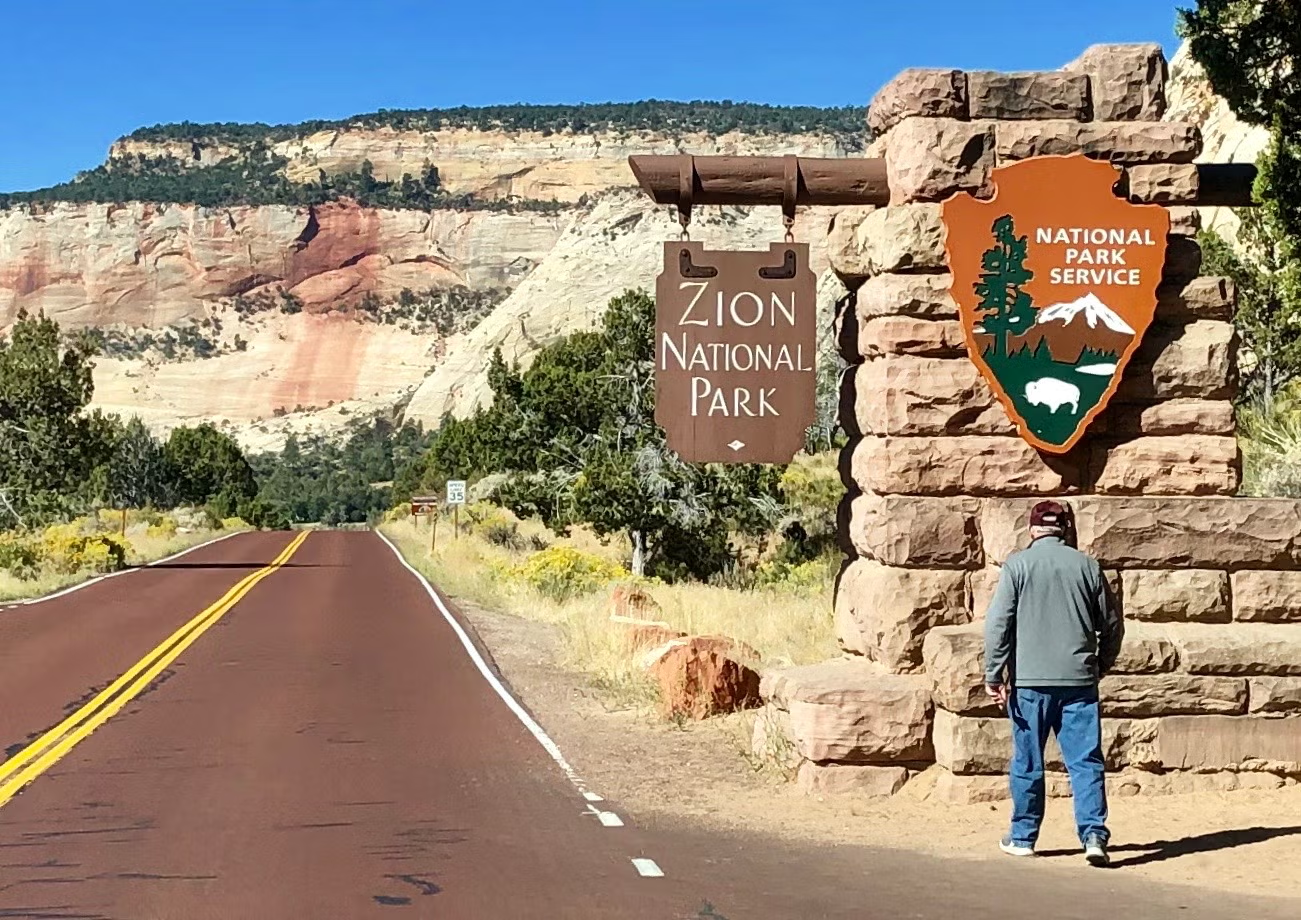
In the Southwest, at reasonable temperatures, the road is open for van travel. Long drives through beautiful rock formations in northern Arizona, New Mexico, West Texas and southern Utah; clear night skies out over the plains; and easy access to great campgrounds make you want to turn off your lights.
Bring more water than you think you’ll need. Check the weather for high winds and possible flash floods. And don’t assume a dirt road will be open after rain.
In many places, a short drive from town you could head up into the Sierra Nevada, the Cascades or the San Juan Mountains. There you’d have great views, trails and a chance for good sleep. But you’d need to plan for variable weather, cooking at altitude, a weaker battery and a cold night even on a sunny afternoon.
Great Lakes and river country
In between seasons, plan on heading down to lower elevation. If you’d like a slower, water-based trip, there are good options along the shoreline of the Great Lakes, along the Upper Mississippi River and in the Ozarks.
In each of these areas you’ll find boat launches, fishing towns, forested campgrounds and beaches. And if you want time outdoors and also want access to small-town restaurants, grocery stores, laundromats, you’ll find it here.
Coastal roads with inland backups
Coastal areas are tough to pass up, but often crowded, expensive and restricted for overnight use. Consider adding to your coastal route some inland destinations: a state park, a valley, farmland, or maybe even a small town a few miles from the coast. Here you’ll often find cheaper prices, more parking and a slower pace. And you could still spend time at the ocean.
When you set off, think beyond your route. Put on your map places where you might want to fill up water, dump your tank, grab groceries, do laundry, get propane and shower. And put on your map places where you could get cell service if you wanted to work on the road. Download maps of stretches of your route where you won’t have service.
Make your destination plan work in real life
Let someone know where you think you’ll be when you drive into an area with spotty coverage. And consider having an alternative spot for the night within reasonable driving distance of your first pick.
When you’re planning from the couch, this might seem overly cautious. But for your future self, it could well save the day if, for example, it rains, or there’s a closure, or you don’t arrive in time for whatever you’d planned for the day.
Most importantly, don’t measure your van life trip in states crossed or icons on your map. Plan in for a slow morning over coffee, an unexpected local festival, and two-lane roads that look like they might be worth taking for no apparent reason.
Often the best place to stop in your van is one that makes you want to pull over.
Meet the Author

Get more vacation inspiration straight to your inbox.
By entering your email, you agree to receive marketing emails from Roadtrippers. You can unsubscribe at any time. See our Privacy Policy.


 Download from Play Store
 Download from Apple App Store
