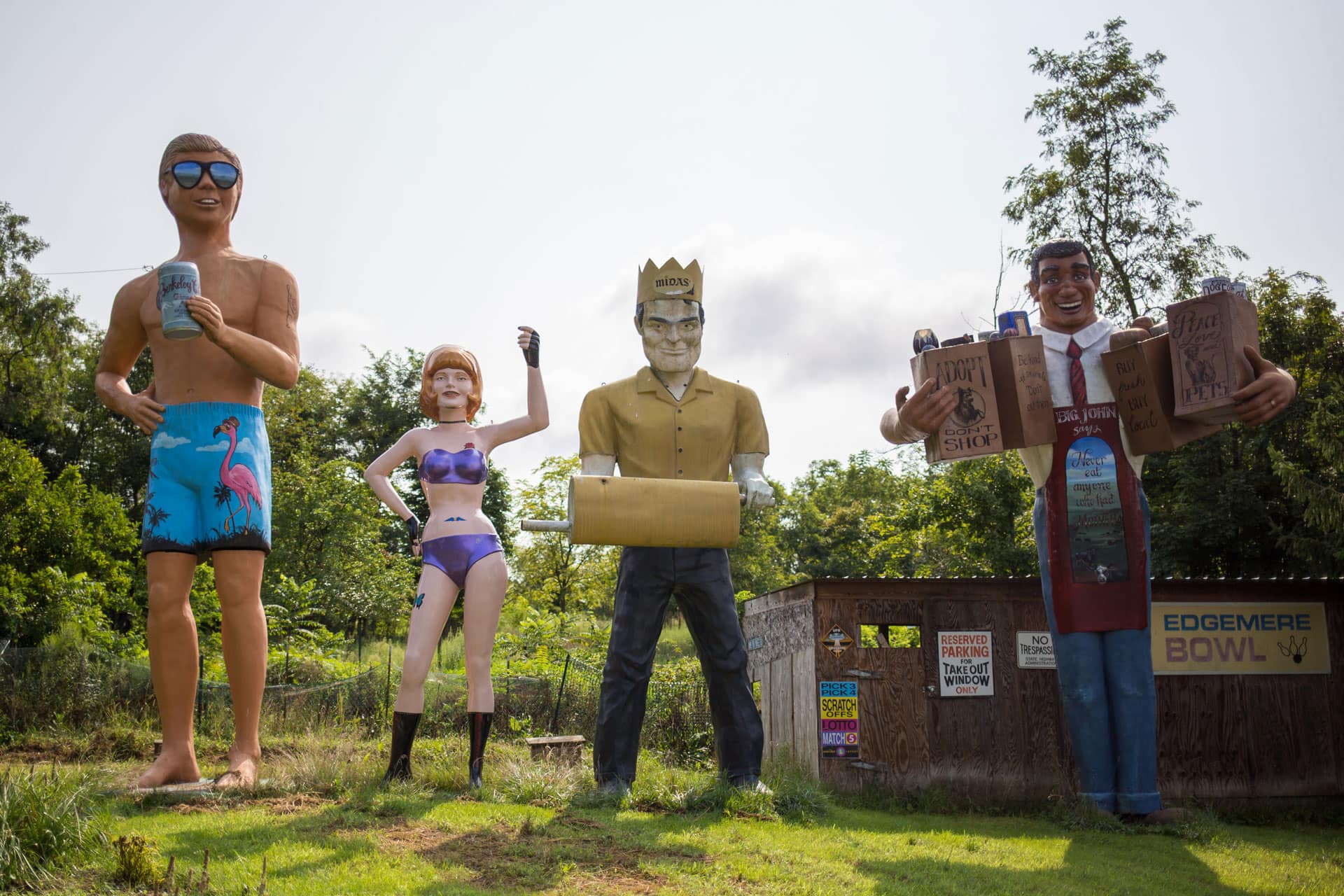
Best road trip stories don’t always begin at your intended exit. They begin when a 30-foot fiberglass cowboy rises up out of the trees. Or when you see a sign advertising the world’s largest something. Or when you drive past a little museum and wonder why they bothered collecting 4,000 samples of barbed wire. If you want quirky roadside attractions, you need to leave space in your drive for them. And you need to think of the drive between big destinations as part of your trip.
America’s odd and wonderful attractions aren’t distributed evenly. That’s part of their appeal. Often you’ll find them along old highways, in small downtowns, outside family-owned restaurants and along stretches of road that seem pretty normal, until they don’t.
Start With the Route, Not a Random Pin
With a little planning, you might stumble on one of these. And you might not otherwise get much out of your drive between two points. A long drive can quickly turn into a scramble for attractions if you’re aiming to hit too many in a day. Best of all, quirky attractions will suit your drive if they aren’t too far off the beaten path.
First pick your overnight stops. Then think about the roads between them. Older highways, scenic byways, coastal roads, mountain passes and towns that used to be on railroads often have more character than exits off an interstate. And they’re more likely to have quirky attractions.
A tool for finding places along your route (like Roadtrippers) can help here. Browse the route you have in mind. Don’t add faraway pins that you’ll never actually visit. Keep only those that intrigue you. Then ask yourself how long they’d add to your drive. Only then consider whether you’d stop.
How to Find Quirky Roadside Landmarks Worth the Detour
You don’t want to pack every day with attractions. Often a day with two quirky attractions and a chance for an impromptu pull-off of the road would be more satisfying than a day with eight quick photo stops. A search for “roadside attractions” can be a good start. But for better results, try adding in a state, region, highway or nearby town. Maybe you’d like “strange sights in South Dakota,” “weird museums along I-40,” or “giant sculptures in the Midwest.”
What I want is a sense of place. Not just a photo-worthy landmark. Try narrowing your search by type. Some people love giant objects — giant balls of twine, giant boots, muffler men and statues that would be great for a family picture. Others enjoy folk art settings, quirky buildings, old neon signs, strange museums, ghost towns, animal encounters on the roadside or spots connected to local legends.
Once you’ve got a sense of what kind of weirdness appeals to you, you’ll be more likely to pick up the right detour. Look for local hints. A landmark that may not turn up on the Internet is often one everybody in town would recommend.
Check comments from recent visitors. Look for hints in there that help answer questions like: Can you see it from the highway? Will there be parking? Could you go look at it after hours? Is it open only some days?
Look Beyond “World’s Largest” Claims
A giant sculpture in a public park is likely to be a good stop. A private collection with limited tours would require a bit more thought.
Best of all, roadside attractions often have a story. Maybe a welder spent 40 years building a scrap-metal castle. Maybe after one of its festivals, a town decided it wanted an over-the-top mascot. Maybe a quirky person developed a museum out of his or her passion for antique medical equipment, dolls, telephones or other objects.
The object would be enough to make you pull over. But it’s often the story that keeps you at the attraction.
Look at a hand-painted sign reading “world’s largest.” That’s an invitation for you to pull over. But take the sign as part of the theater. In some cases, these claims are legitimate. In others, they aren’t. And in others, they would have made more sense 50 years ago, in the heyday of roadside advertising.
None of that takes anything away from your enjoyment of the attraction.
Use Timing to Make Detours Feel Easy
Roadside attractions are most fun when they come up at just the right point in a drive. Maybe you want one late morning, when everyone wants to get out of the car. Or maybe you want one midafternoon, when even a cup of coffee won’t perk up the mood in your group. In 15 minutes you could reset your day at such a spot.
Allow a little more time for attractions that have food, exhibits or seasonal hours. A sculpture by the side of the road might take 10 minutes. A small museum, guided tour or historic site in a tourist town could easily take an hour or more, including walking around and parking.
If you have kids, vary your stops. You could do a photo-worthy landmark, then head to a playground, ice cream shop, short trail or walk down to the river. If you have friends, you could do a silly landmark and one that teaches a piece of local history. In that way, even a long drive won’t be repetitive.
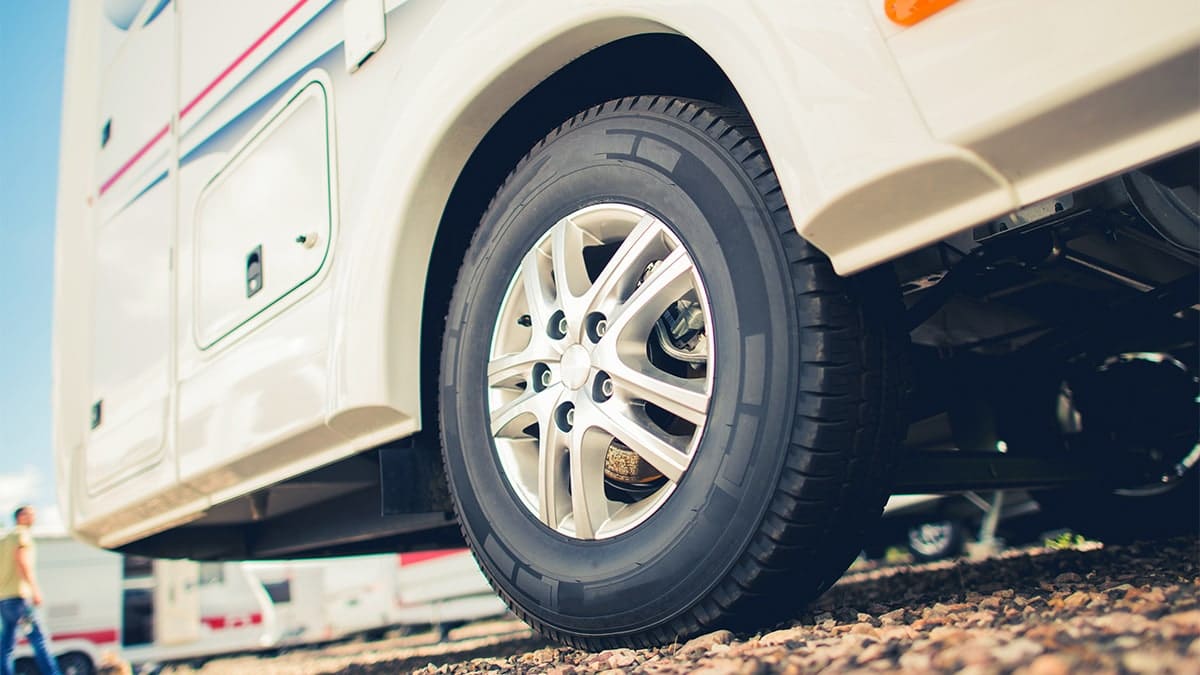
If you’re in an RV, you might well ask yourself if a landmark would even be doable in your rig. Consider the width of the road, the parking lot, low clearance, turnaround room. And ask whether the attraction is on a narrow street in town. Often it’s worth parking at a more convenient lot and walking to the attraction. Sometimes that backroad you might have taken on a motorcycle, in a toad vehicle or on a future car trip would be worth saving for then.
Verify Before You Chase the Weird
More often than not, roadside attractions change faster than travel guides. A sign may go down. A museum may go to seasonal hours. A statue may move. A business may close. Even if you know a place is interesting, check its basics a bit before you head out. And if it’s an important stop on your trip, double-check it the morning of your visit.
Look at recent comments and photos. A comment from a few years ago might explain what makes this place interesting. A more recent comment could help you decide whether it’s worth a visit. If an attraction sits on private land, follow the posted boundaries. Best detours are usually better off without trespassing, blocking driveways or using a small community as a photo backdrop.
And don’t expect every oddity to take an hour of your time. Often the landmark in your photo is just a funny statue, a pull-off in the road and an opportunity to laugh on your way back onto the highway. That might be all you need.
Let the Landmark Lead You Into Town
Best detours don’t stop at the parking lot. After checking out, say, a giant statue or a little museum, spend 20 minutes of your time in the town around it. Walk a block off the main street. Visit the local bookstore, diner, courthouse, gas station with great pie counter or mural.
In this way, your road trip becomes more than just taking pictures. Often a roadside attraction survives because the community looks after it, tells its story and hopes visitors will stop by and ask questions.
Pick up a snack at the museum, tip your guide and leave it in better shape than you found it. It may be only a dollar or two, but it helps keep these quirky little places on the map.
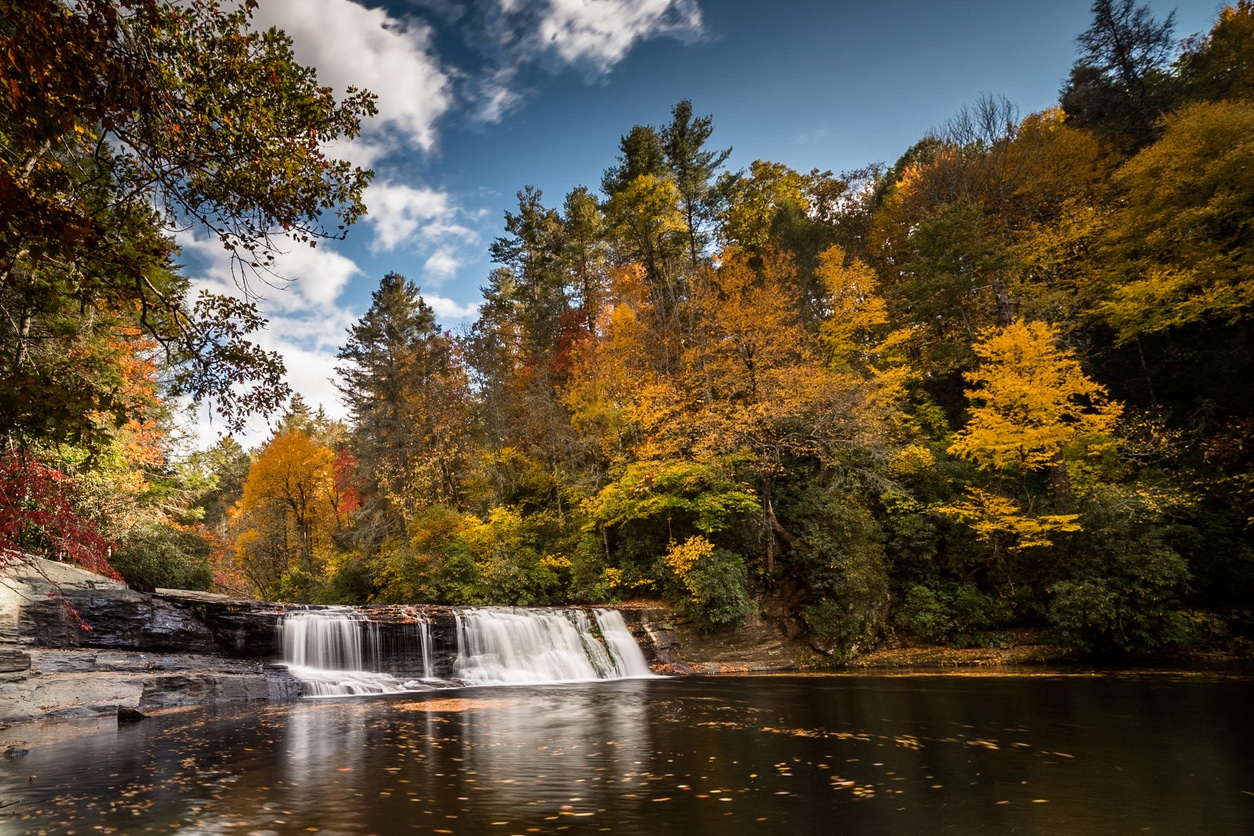
And in this way, you might well find your next destination. Standing in line at the miniature museum, its ticket seller might let you know of a hidden waterfall nearby. The server might suggest a nice overlook. There might be a handout at the counter about a drive-in movie, a county fair, historic bridge or something else down the road. Such tips can’t really be anticipated by any algorithm.
Build a Trip With Space for Serendipity
A good rule is to plan your must-see roadside landmark, add one or two likely stops, and leave an open pocket in the day. That open pocket protects the trip from delays, but it also gives you permission to follow the giant arrow, the peculiar sign, or the local recommendation that appears when you least expect it.
Bring water, keep your phone charged, download maps before entering low-service areas, and have a loose idea of where fuel and restrooms are located. Practical preparation gives spontaneity somewhere safe to land. It means you can take the fascinating detour without wondering whether you have enough range to get back to the highway.
The next time the route offers a choice between saving 12 minutes and seeing a concrete dinosaur wearing sunglasses, take a look at your schedule. If you have the time, turn the wheel. The landmark may be strange, but the memory will be entirely yours.
Meet the Author

Get more vacation inspiration straight to your inbox.
By entering your email, you agree to receive marketing emails from Roadtrippers. You can unsubscribe at any time. See our Privacy Policy.


 Download from Play Store
 Download from Apple App Store
