Is Buying an RV Worth It? What to Know Before You Make the Move
What Frequent Campers and Renters Need to Know Before Buying an RV

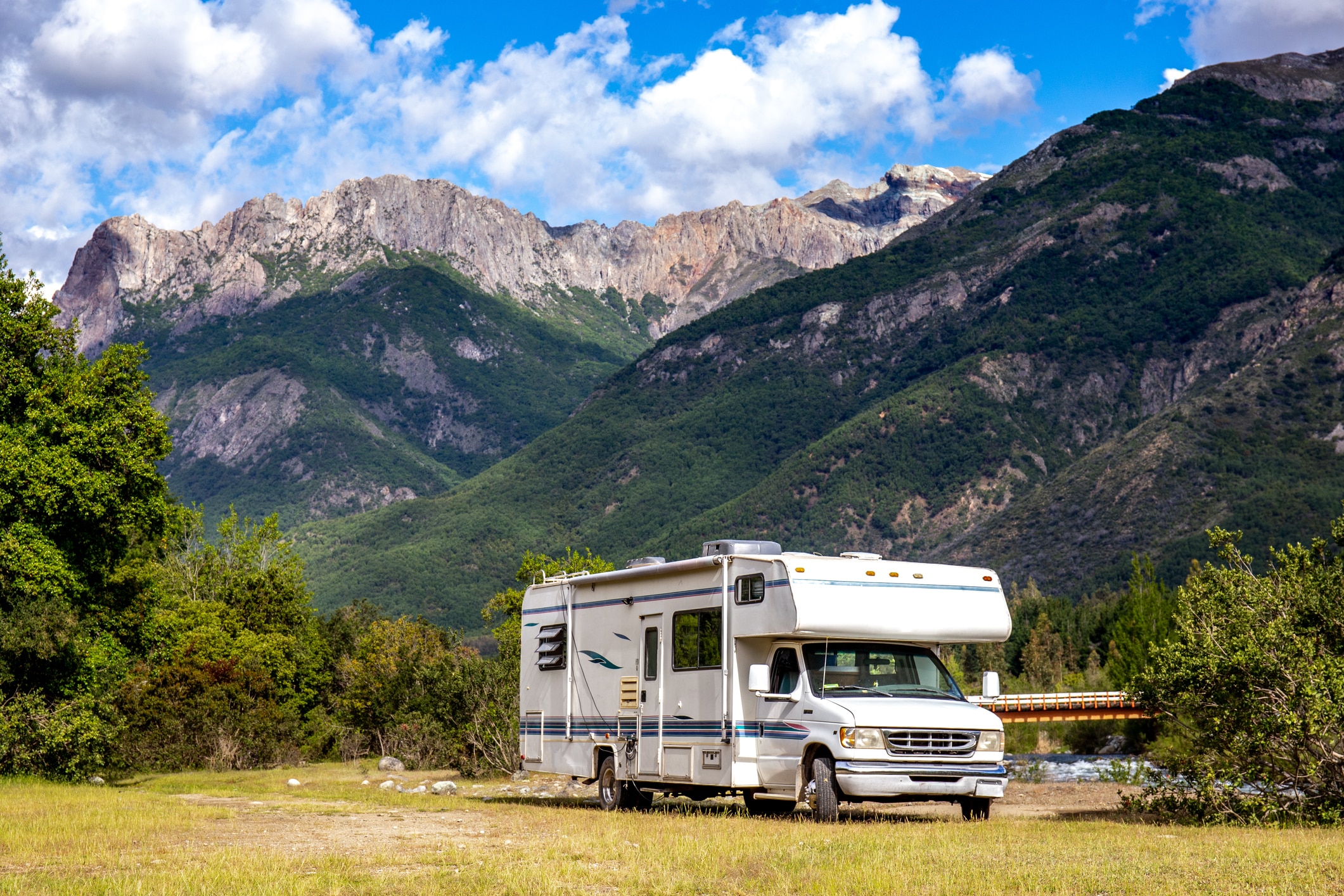
For many campers, the idea of owning an RV starts as a passing thought during a rental trip. A long weekend in a campground, surrounded by rigs that belong to people who just… have one. The question comes naturally: what would it actually take to own one of these?
RV sales have stayed elevated since the pandemic-era outdoor boom, and a growing share of buyers are not retirees trading in their homes for the open road. They are younger, active campers and they are weighing whether renting a few times a year still makes sense compared to having something of their own.
For a lot of them, ownership turns out to be exactly the right move. Here is what actually matters when making that decision.
It Starts With How You Actually Travel
The best place to start is not with a budget or a floorplan. It is with an honest look at how you already travel and what you wish were different about it.
People who camp regularly, who find themselves planning the next trip before the current one is over, tend to take to ownership naturally. The RV becomes an extension of that lifestyle rather than a new habit to build. For frequent renters who already know what they love about being outside, the leap to ownership is usually smaller than it seems.
Renting is a great way to explore and experiment, but there is a point where the logistics start to work against the experience. Booking windows, limited availability during peak season, and the learning curve of a new rig every trip can add friction to something that should feel effortless. Ownership removes that friction, and for people who are ready for it, that shift is significant.
What Kind of Camper Are You?
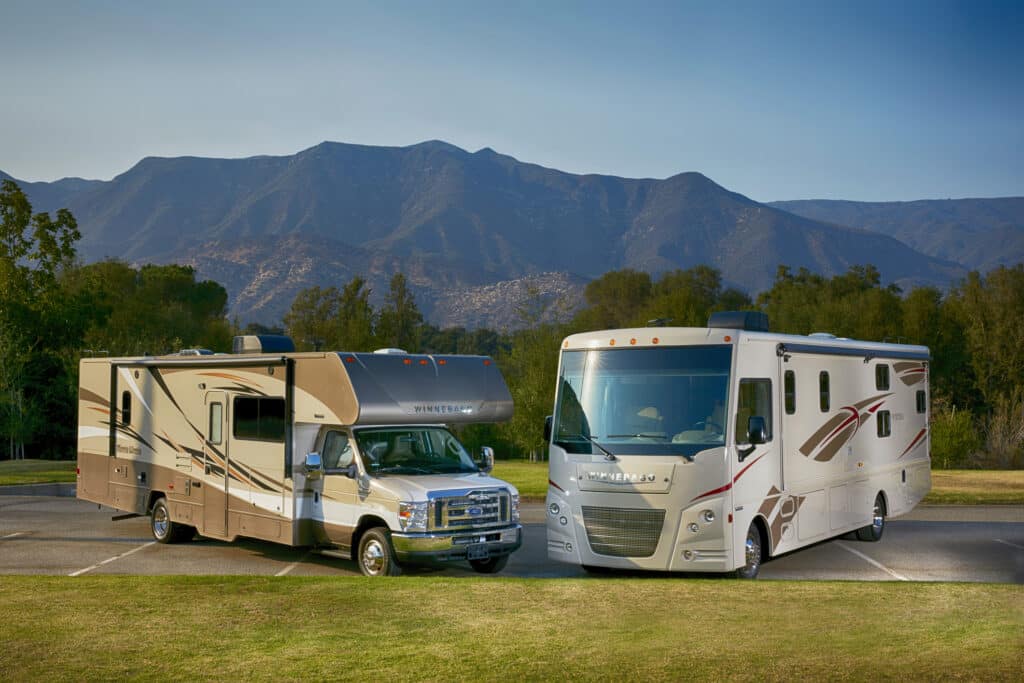
The good news is there is an RV for almost every style of travel. The key is matching the rig to how you actually camp, not just what looks appealing in a showroom.
Weekend campers who stay at established campgrounds close to home have very different needs than someone who wants to spend two weeks driving across the country or parking off-grid in the desert. A large, amenity-rich motorhome is excellent for long trips and extended stays. A smaller campervan is easy to drive and park anywhere, making it ideal for campers who value flexibility and simplicity.
Towable options like travel trailers and fifth wheels are popular because they separate the living space from the vehicle, which means more flexibility once you are parked. They also tend to offer a lot of living space for the price, which makes them a favorite among families.
There is no wrong answer here. The RV that fits best is simply the one that matches the trips you actually take, and finding that match is one of the more enjoyable parts of the process.
Ownership Changes the Rhythm of How You Travel
This is what most owners point to when they talk about why they bought, and it is harder to quantify than cost.
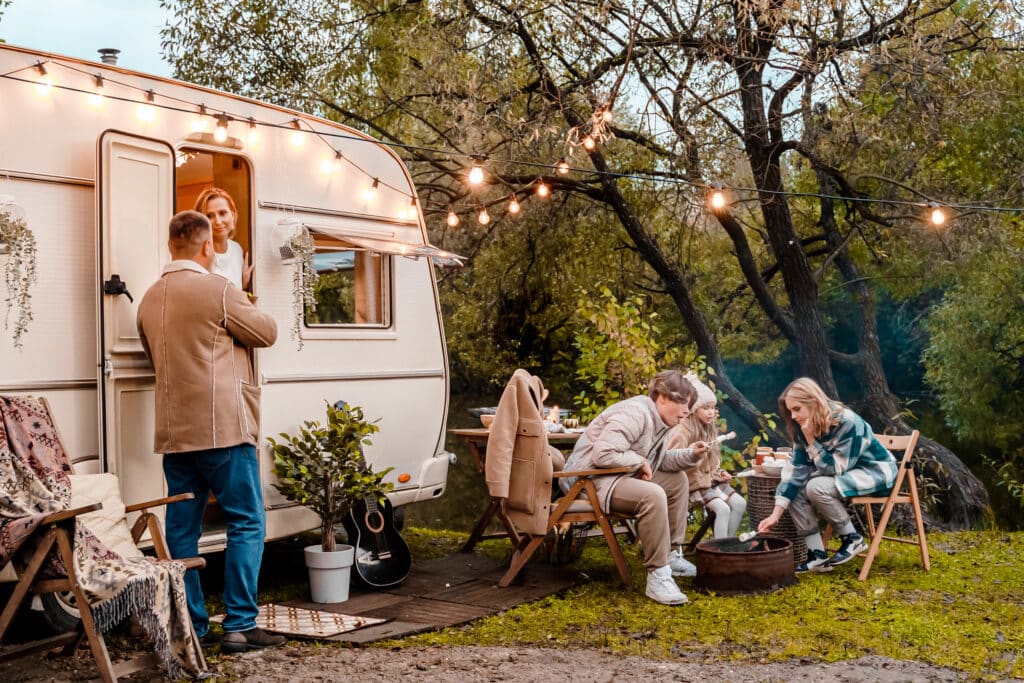
When the RV belongs to you, the gear is always packed and ready. There is no checklist of what to bring because everything already lives there. No adjustment period at the start of a trip because the layout, the quirks, and the comfort level are all familiar. It becomes an extension of home rather than a temporary rental.
That familiarity changes how often people end up going. Spontaneous trips become realistic. Leaving on a Friday afternoon without a reservation locked in months ahead is actually possible. A lot of owners find that they travel significantly more after buying simply because the barrier to leaving got so much lower.
There is also the community dimension. Campgrounds have a culture, and people who show up regularly become part of it. Long-term owners often say the friendships built at their favorite spots are just as much a reason they keep going as the travel itself.
A Few Things Worth Knowing Going In
Like any significant purchase, RV ownership comes with responsibilities that are worth understanding upfront. Knowing what to expect makes the experience better, not worse.
Storage is something to plan for if there is no space at home, and maintenance is a real part of ownership, especially on older units. Building a relationship with a good RV service shop goes a long way. Most owners also find that the more familiar they get with their rig, the more comfortable they become handling routine upkeep themselves.
On the financial side, RVs depreciate over time, motorized ones faster than towables. Most happy owners think about it the same way they think about a boat or a vacation property: the value is in the experiences it makes possible, not the resale price. Going in with that mindset tends to make for a much more satisfying ownership experience.
Questions Worth Sitting With Before You Buy
For anyone getting serious, a few honest questions are worth more than any amount of research:
- Does the way you currently camp suggest you would use an RV consistently?
- Is there a realistic plan for storage and upkeep?
- Have you rented the specific type of RV you are thinking about buying?
- What does the travel calendar actually look like once work, family, and life are factored in?
The people who feel best about buying are the ones who could already picture exactly where the RV would go, how often it would get used, and what a typical trip would look like. The purchase confirmed something they already knew about their lifestyle.
The Bottom Line
For campers who already know what they love about being outside and find themselves limited more by logistics than by desire, RV ownership tends to feel less like a purchase and more like a natural next step. It is the thing that makes more trips possible, more often, with less effort.
The road trip life does not require owning an RV. For a lot of people, it just gets a whole lot better when they do.
Meet the Author

Get more vacation inspiration straight to your inbox.
By entering your email, you agree to receive marketing emails from Roadtrippers. You can unsubscribe at any time. See our Privacy Policy.



 Download from Play Store
 Download from Apple App Store