A great road trip itinerary with stops does not begin with a pin at your final destination. It begins with the stretch of road you cannot stop thinking about: a desert highway at golden hour, a diner with a pie case by the register, a trailhead just beyond the next small town. The goal is not to cram every attraction into the day. It is to build enough room for the places that make a drive feel like a trip.
The best itineraries balance two competing urges: cover ground and follow curiosity. Get that balance right, and you will arrive with stories instead of a camera roll full of windshield photos.
Start With Your Road Trip’s Real Purpose
Before mapping a route, decide what kind of trip you are taking. A family trip to national parks needs a different pace than a two-day motorcycle loop through the Blue Ridge Mountains. An RV route needs extra attention to fuel stops, campgrounds, road restrictions, and grocery runs. A friends’ weekend may revolve around music venues, breweries, and a late breakfast rather than sunrise trail miles.
Give the trip a simple center of gravity. Maybe it is beaches, weird roadside Americana, fall color, barbecue, hiking, or a long-awaited reunion. That theme becomes your filter when the map starts filling up with tempting detours.
Then set the boundaries that keep the plan honest: how many days you have, where you must be on specific dates, your approximate daily budget, and how much driving your group actually enjoys. A six-hour driving day can feel easy on an interstate with two adults trading shifts. It can feel endless with a toddler, a nervous dog, or a 32-foot motorhome on winding mountain roads.
Build a Road Trip Itinerary With Stops in Layers
Planning works best when you add stops in a deliberate order. Begin with anchors, then shape the route around them, then add the delightful extras.
Add your non-negotiable anchors first
Anchors are the places with fixed timing or high emotional stakes: campground reservations, concert tickets, a national park lodge, a wedding, a ferry, or the one motel your family has been talking about for months. Put these on the map before chasing detours.
Next, connect those anchors with realistic drive days. Do not rely on the fastest-route estimate alone. It rarely includes fuel, meals, bathroom breaks, traffic, construction, photo stops, or the time it takes to get everyone back in the vehicle after a viewpoint. For most vacation travel, plan for fewer miles than you think you can handle. A shorter drive day leaves room for a canyon overlook, a swim, or a local main street that deserves an unhurried hour.
Choose a few high-value stops, not every stop
Once the backbone is in place, look for stops that earn their place. The best ones usually do one of three things: break up a long drive, reveal something distinctive about the region, or give everyone a chance to reset.
A quick stop might be a covered bridge, giant roadside sculpture, scenic pullout, historic courthouse square, or farm stand. A longer stop might be a guided cave tour, a half-day hike, museum, beach, or wildlife refuge. Mix both types. If every stop takes three hours, the itinerary becomes a series of rushed arrivals. If every stop lasts 10 minutes, the trip can feel like a checklist.
Think geographically, too. A spectacular attraction 90 minutes off route may be worth it on a flexible four-day trip and a bad trade on a one-night drive to a reserved campsite. The question is not whether a stop is famous. It is whether it makes this particular journey better.
Build in open space
Leave at least one unscheduled block each day. This is where road trips become personal. You might spot a hand-painted sign for fresh peaches, hear about a swimming hole from a cashier, or decide that the small-town bookstore deserves more time than the overlook you originally planned.
Open space also protects the trip from ordinary travel friction. Rain moves in. A child gets carsick. A trail parking lot fills. Traffic backs up around a city. A flexible itinerary absorbs those moments without turning them into a group argument.
Give Every Day a Rhythm
A useful day plan has a beginning, middle, and landing point. Start with the stop that matters most, especially if it requires cooler weather, a timed entry, or an early parking arrival. Use midday for driving, lunch, and low-effort discoveries. Save the end of the day for checking in, setting up camp, walking around town, or enjoying a view close to where you sleep.
Try not to make every morning a race. Travelers often underestimate how long breakfast, packing the cooler, breaking down camp, and loading the car takes. RV travelers should add time for dumping tanks, filling water, leveling, and navigating in and out of campgrounds. Those chores are part of the road trip, not evidence that the plan has gone wrong.
It also helps to give each passenger a role. One person can watch for fuel and charging needs, another can handle snacks and reservations, and someone else can be in charge of finding a weird-and-wonderful stop for the afternoon. Shared planning turns the route into a group adventure rather than one person’s spreadsheet.
Plan Stops Around Real Travel Needs
The memorable stops get the glory, but practical stops keep the day moving. Identify likely fuel, food, restroom, grocery, and overnight options before you leave areas with limited services. This matters on desert routes, remote mountain roads, and long rural stretches where a dot on the map does not always mean a full-service town.
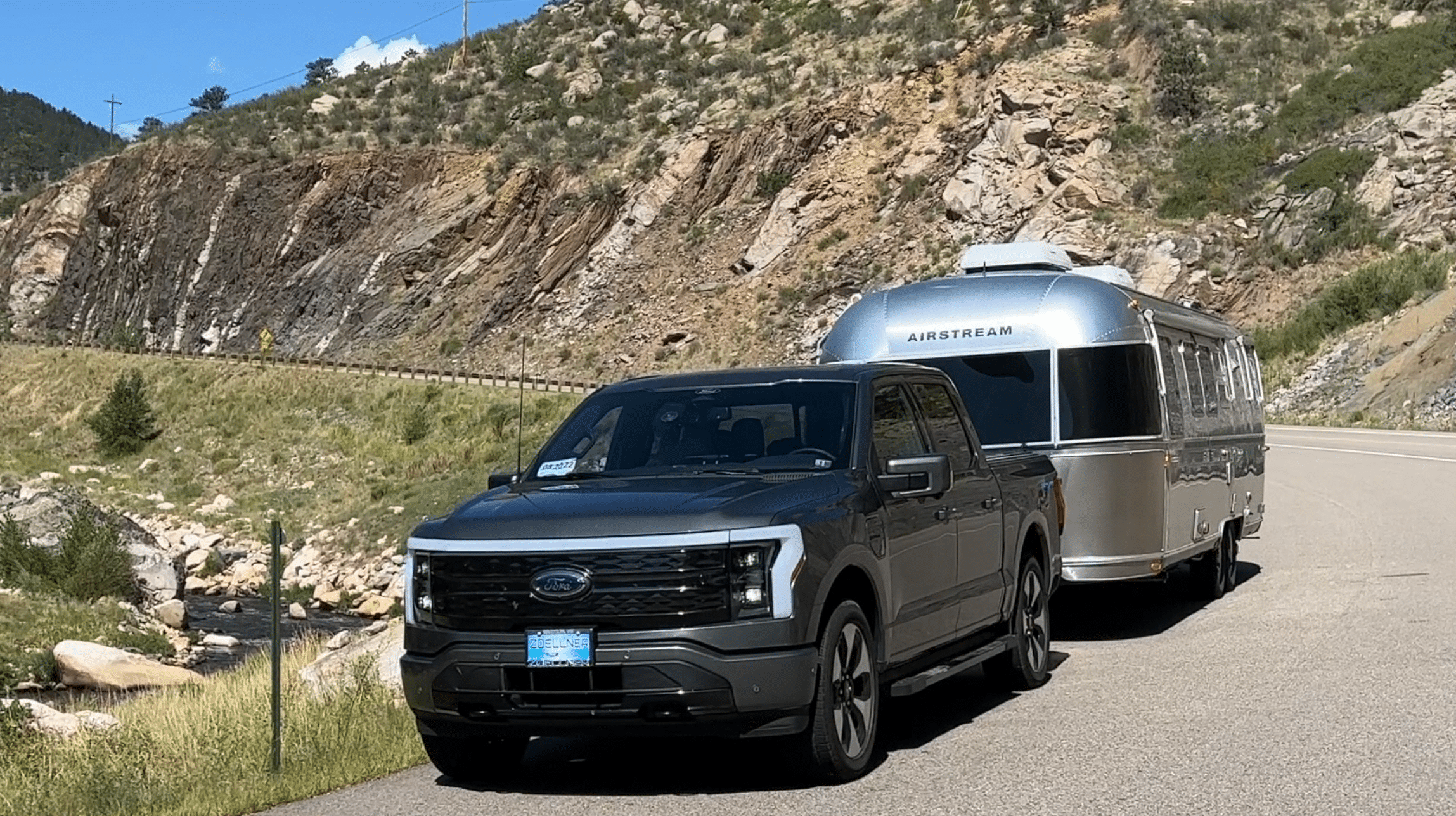
For an EV, plan charging with a buffer rather than treating every station as guaranteed. For an RV, confirm clearance, grades, road suitability, and campground access before committing to a scenic shortcut. For anyone towing a trailer, that charming historic downtown may have tight turns and limited parking.
Offline access deserves attention, too. Cellular service disappears surprisingly fast once you leave major corridors. Download route details and saved locations before heading into national parks, canyons, forests, or backcountry-adjacent roads. Keep a paper backup for especially remote routes if it gives you peace of mind.
Roadtrippers can keep route building, discovery, live traffic, offline maps, and RV-specific planning in one place, which is especially helpful when a trip has more than a couple of stops. Still, technology is a planning partner, not a promise. Check park alerts, weather, road closures, and reservation rules close to departure.
Make Lodging Part of the Experience
Where you sleep shapes the route more than most travelers realize. A hotel near an interstate may buy you an early start. A cabin outside a national park may offer quiet skies but add a long drive to dinner. A campground beside a lake can turn an overnight into one of the best parts of the journey.
Choose lodging based on the next morning, not just the previous evening. If you want to be first into a popular park, stay nearby the night before. If you know everyone will be tired after a major hike or a big city day, book somewhere with easy parking, food close by, and no complicated check-in.
Have a backup for high-demand nights, particularly around holiday weekends, park entrances, college towns, and major events. Spontaneity feels a lot more fun when you are not searching for a legal place to sleep at 10 p.m.
Know When to Cut a Stop
A smart itinerary includes permission to skip things. If you are behind schedule, the weather turns, or the group is running low on energy, cut the stop with the lowest payoff. Do not sacrifice dinner, sleep, or a reservation you care about just to say you saw one more attraction.
This is where a clear priority system helps. Mark a few stops as must-do, a few as nice-to-have, and the rest as optional if time allows. You will make faster decisions on the road, with less debate and more time looking out the window.
The route is only a framework. Leave room for the neon sign, the unexpected pie, the herd of bison in the distance, and the side road that turns into the story everyone tells when they get home.
Meet the Author

Get more vacation inspiration straight to your inbox.
By entering your email, you agree to receive marketing emails from Roadtrippers. You can unsubscribe at any time. See our Privacy Policy.



 Download from Play Store
 Download from Apple App Store