Picture this, you’re two hours into a drive, you pass a brown sign for a state park you’ve never heard of, and you have to decide whether to pull off or keep pushing toward the national park you actually planned the trip around.
There isn’t a right or wrong answer. National parks and state parks are good at different things, and once you know what each does well, you’ll plan better routes and stop feeling guilty about every exit you skip.
National parks versus state parks: the big difference
National parks are run by the National Park Service, a federal agency. There are 63 of them, and they protect places the whole country agreed were worth saving like the Grand Canyon, the Yellowstone’s geysers, the sequoias, and the Everglades.
State parks are run by each state, so no two systems work quite the same. Fees, reservations, campground setups and rules all change when you cross state lines. There are a lot more of state parks, over 6,000 nationwide. Some are small lake parks built for weekend fishing and others would be world-famous if they had federal status. Custer State Park in South Dakota has a wildlife loop where bison block the road. Valley of Fire in Nevada has red sandstone that rivals Utah. Letchworth in New York gets called the “Grand Canyon of the East,” and for once the nickname isn’t much of an exaggeration.
National parks tend to have the headline scenery, while state parks tend to be easier to fit into a day on the road.
Choose a national park when the destination is the point
If you’ve wanted to see sunrise at Mather Point or drive into Yosemite Valley for the first time, build your road trip around it and plan the rest around it. At national parks there is also more to do. The busy parks have visitor centers, ranger talks, shuttles, historic lodges and marked trails for every level. This is great if it’s your first visit or you’ve got kids and want to fill up the day.
To make the most of your time at a national park you’ll need to plan. In recent summers, parks like Arches, Rocky Mountain and Glacier have required timed-entry or vehicle reservations. Zion’s main canyon road is shuttle-only for most of the year. Campgrounds at the most famous parks can book up six months out. If you don’t want to spend most of your day lapping the parking lot looking for a spot, it is best to start your plans to these parks earlier.
Go in May or September if you possible and you can miss some of the big crowds. Or skip the famous corner of the park for a section most visitors don’t look for.
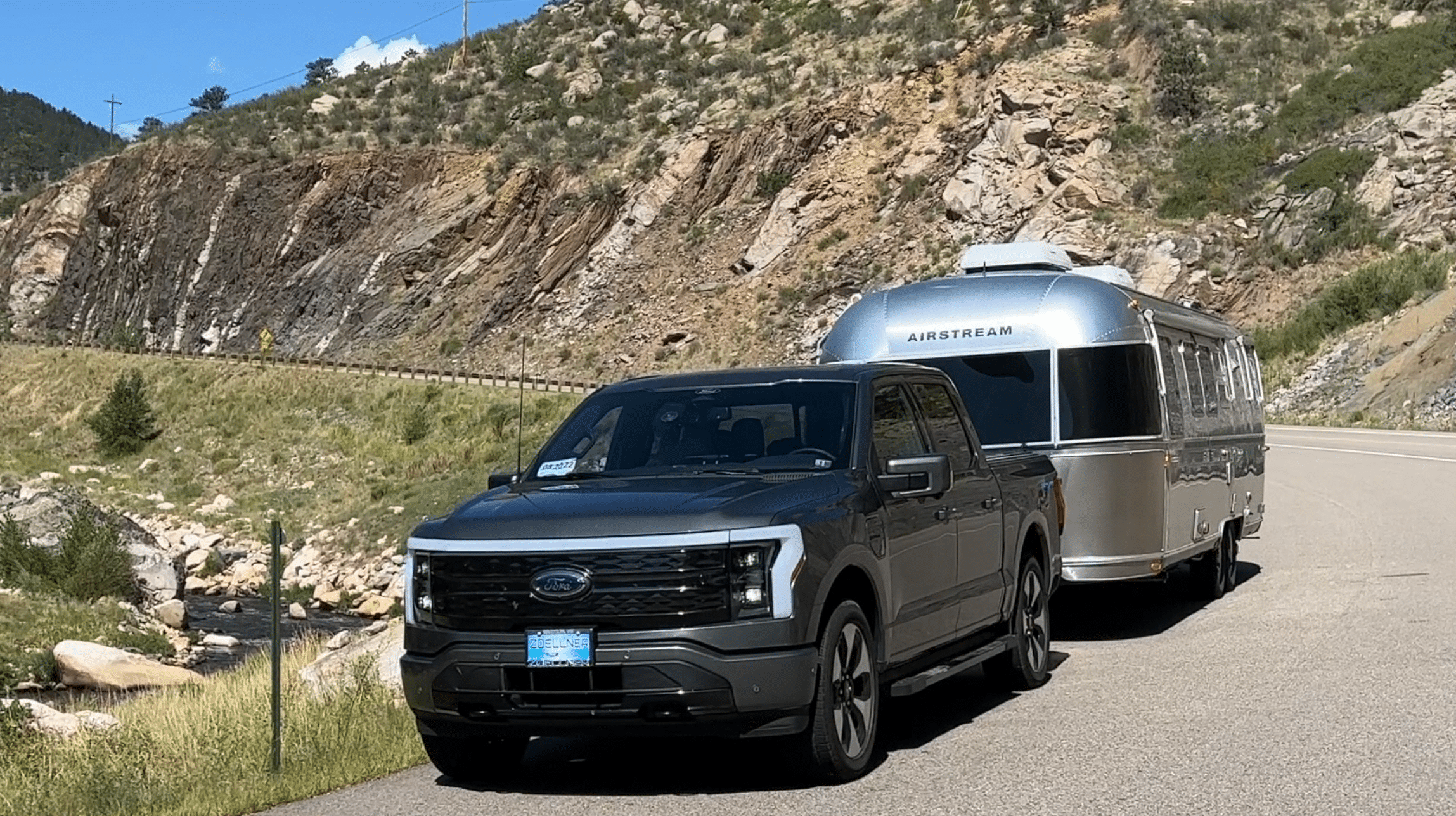
If you’re in an RV, read the fine print. Glacier’s Going-to-the-Sun Road doesn’t allow vehicles over 21 feet on its most dramatic stretch. Plenty of park campgrounds have no hookups. A 35-foot motorhome won’t fit on every road you’ve seen on Instagram
Choose a state park when you want the road trip to breathe
State parks are where a road trip gets to slow down. They’re usually closer to the highway, easier to get into and less work to plan.
They’re often better for camping, too. A lot of state parks have electric hookups, hot showers, dump stations, cabins and bigger sites than you’ll find inside a crowded national park. It varies by state, but many were built with families and weekend RVers in mind.
They’re usually cheaper. Day-use fees tend to run a few dollars to around $10 or $15 per vehicle, and campsites often cost less than the private campgrounds around the major national parks. If you’re spending a week in one state, check whether an annual pass pays for itself.
Then there’s the surprise factor. You follow a sign on a whim and end up at a waterfall, a gorge, a dark-sky site or a beach you had to yourself. Those unplanned stops tend to be the ones people tell stories about later.
Compare the practical details before you commit
Crowds and timing
The famous national parks are busy from Memorial Day through Labor Day, full stop. State parks near cities and lakes can get packed on summer weekends too. If the national park is a zoo, a nearby state park can save your afternoon plans.
Reservations and fees
Reservations and fees. An entrance fee isn’t always the only thing you need. National parks might require timed entry, campground bookings, backcountry permits or shuttle tickets. State parks often have separate systems for camping, cabins and even day-use parking. If you’re hitting three or more national parks, the $80 America the Beautiful pass covers entry at all of them and usually pays for itself. State passes only work in their own state. Rules change by season, so check each park’s site before you go.
Camping and overnight options
Camping inside a national park puts you right at the trailhead, which is hard to beat. But sites can be basic and hard to get. State parks are often the better base camp if you want power, showers or more space. They also make a good backup when the national park is full. Camping 30 to 60 minutes outside the entrance can get you a quieter night, and you’ll still be in line early the next morning.
Scenery and recreation
National parks are the place for big-name scenery, multi-day hikes and ranger programs. State parks are all over the map. One’s great for kayaking, the next has a two-mile waterfall trail, another has the best swimming beach in the region. They’re smaller, which makes them easy to fit in between the big stops.
Build a better route by using both
The best road trips don’t pick a side. Make the national parks your main destinations and use state parks to break up long driving days, find campsites and fill the gaps.
Say you’re heading to Yellowstone. Add a state park hike on the way in and a lakeside campsite after the crowds clear out, and take a back road instead of the interstate. You still get Old Faithful, plus a few stops nobody in the car saw coming.
Look past the park boundary when you plan. Check drive times, gas stops, weather, vehicle limits, campsite availability and how far your campground is from the trailheads you care about. Roadtrippers keeps all of that in one trip plan, along with the roadside attractions, diners, overlooks and oddball stops that make a park trip feel like a road trip.
So which one should you pick?
Pick the national park when you want to stand somewhere legendary and you’ve done the planning to get in. Pick the state park when you want something beautiful without the hassle, and room to wander. And next time a brown sign points to a state park you’ve never heard of, think about taking the exit.
Meet the Author

Get more vacation inspiration straight to your inbox.
By entering your email, you agree to receive marketing emails from Roadtrippers. You can unsubscribe at any time. See our Privacy Policy.


 Download from Play Store
 Download from Apple App Store