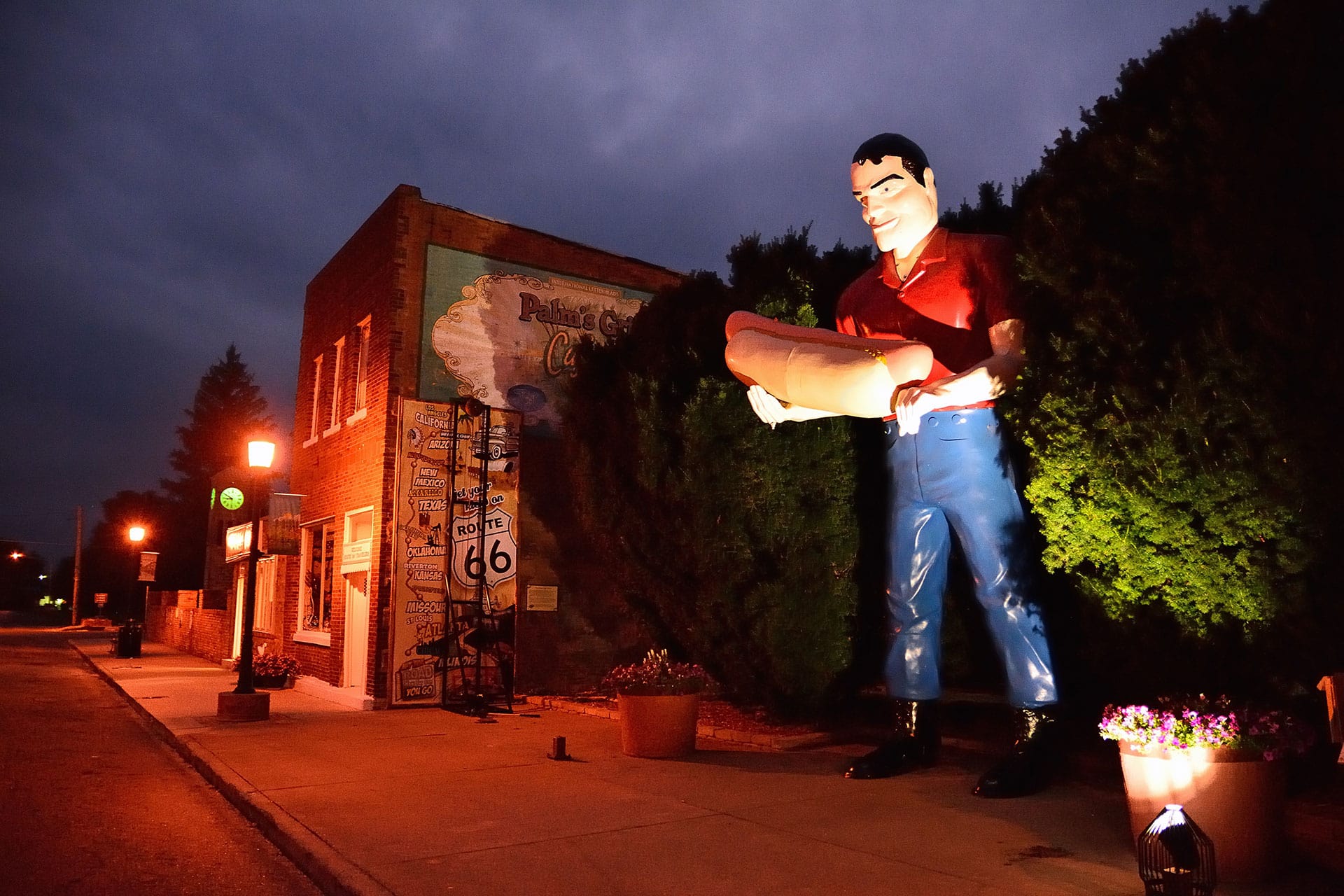
There’s something about that sign for pie, that fiberglass muffler man, that trailhead you could drive up at dawn. In some ways, those are the moments that make a drive into a trip. As you come across your favorite roadside stops, you’re adding to your own future story.
Save favorite roadside stops when curiosity strikes
You wouldn’t rely on your memory of some diner name three states down the road. What works is saving stops that could be useful later in planning a trip. A pin without a note could become a little mystery.
Save the stop, not just the town
A place you save, with some sense of why you might want to stop, of how much time it might take and where it could fit into your drive, could be the best part of your highway. You don’t have to be planning a trip in order to save a place. And often the best discoveries come when you’re looking at photos of a friend’s trip, reading up on a town, or thinking of that weird roadside attraction you drove by last time. Don’t let it pass by. Save it.
Organize saved roadside stops by the way you travel
At a minimum, include location and name of the place. And add a sentence or two of your own. “Good place for kids to burn off energy.” “Good place for a sunset.” “Make sure to book the campground early.” “Maybe stop for lunch on the way to Zion.” More than a label, these words could remind you six months from now of why you wanted to add this place to your map.
It’s helpful to include a photo of the place, particularly if it’s easy to confuse with another.
Worth a detour:
A motel, a fruit stand or a trail off a county road might well have a name that’s tough to find later. A photo of the sign or a screenshot of someone’s recommendation could help you spot this place as you plan your route. A town name is a good start, but not a plan. Maybe in Marfa you’d want to check out the lights, maybe the food truck, maybe the art installations or maybe you’d like to stay at a particular hotel. Whenever possible, save an attraction, restaurant, campground, scenic pullout or parking area.
More importantly, if you’re on a long drive, you may want to save something along a highway exit (five minutes down the road) or across town (40 minutes with traffic, turns and parking).
Easy route breaks:
The more precise your pin, the more reliable your plan will be down the road. It’s fun to look through a bunch of saved places, but they can easily confuse you.
The goal is not to build up some archive of places. The goal is for choices to be more straightforward if you have a few days off, a full tank of gas and somewhere to go.
Overnight possibilities:
Think about what kind of question you might ask as you drive. Maybe you’d want to save things in different regions, or by trip idea or type of stop. A family driving from Chicago to the Black Hills will save different things than a couple driving slowly along the coast, or an RVer driving between national parks.
If you’re using Roadtrippers, create trip groups or collections that reflect your own planning. And keep notes on each place you save.
Someday stops:
Four kinds of place are often worth saving on a map: ones you’d be tempted to go out of your way for (museums, local icons, views and landmarks); ones near the highway that would be nice to check out (playgrounds, picnic spots, coffee shops, short walks); places you might want to consider overnighting (campgrounds, RV parks, hotels); and interesting spots off your route that could work on some future trip.
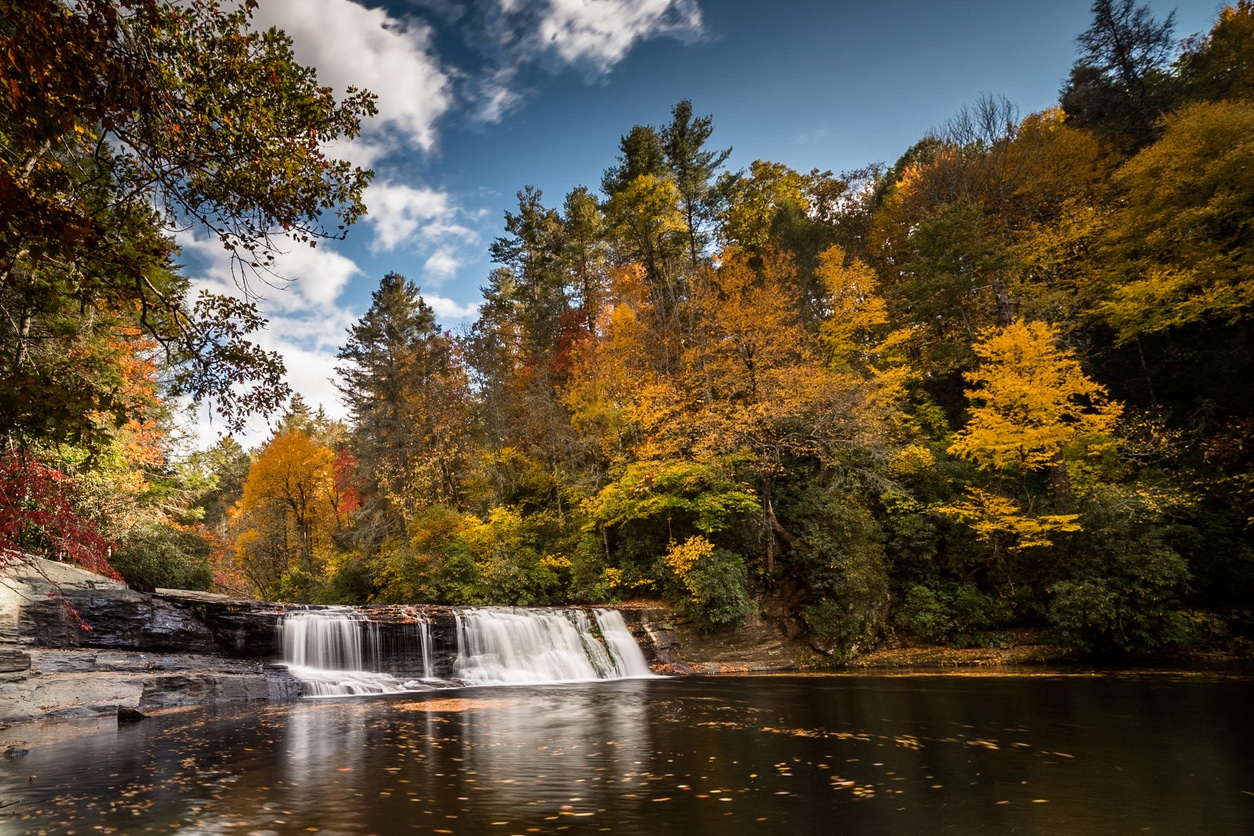
Or, save things by season. A mountain road is closed in winter. A desert drive is best in cool weather. And a waterfall would be best at spring runoff. Add a note to your pin for each. It would be frustrating to save a place for years and then discover on the week you plan to go that it’s not accessible.
Give every saved place a role
Not all stops are equally important. A good trip includes anchor stops and flexible stops. Anchors shape the day. They might be a national park entrance, a campground, a barbecue place the whole group has been wanting to try, or a timed tour. Flexible stops are nice surprises along the way. They add interest to the miles being covered.
When a distinction is made between the two, a road trip isn’t just a contest with a map. Maybe it rains. Maybe the kids go to sleep. Maybe more time is spent than intended at a historical site. In that case, a flexible stop could be skipped while still feeling like it was a good day. This is not abandoning the adventure, but leaving something to look forward to on another trip.
Turn saved places into a realistic route
Think of the trip. Then look at the stops along the way. Don’t force every pin onto the plan. Let the route drive the plan. Often a scenic byway will highlight a dozen saved stops. On an interstate driving day, there might be room for only one nice lunch and a chance to stretch the legs.
First, include the start, end and overnight stops. Next, add stops that shouldn’t be missed. Before adding the quirky and wonderful, look at driving time and distance on the route. Three attractions on a map might appear to be within a mile of each other. Each could require a two-lane road, some parking and a half-mile walk from the parking lot.
Think about how much time a stop will take. 10 minutes to take a photo by the road. Two hours on a cave tour. A park viewpoint might take minutes at noon, but hours at sunset. A meal, gas, bathroom break or setting up camp at a stop could easily take more time than anticipated.
Often, in a day on the road, two good stops will stick with travelers more than six quick ones. And this is particularly true of families, groups with different interests and RVers. RVers need to consider fuel, grades, parking and arrival time at campgrounds. It depends on the rig, the passengers and the enjoyment of the road.
Check the details before you commit
A saved stop is only an idea until it is checked out. Before hitting the road, find out whether a place is open seasonally, what hours it’s open, whether reservations are needed and its parking rules. Some small attractions only open a few days each year. Others will require tickets months in advance.
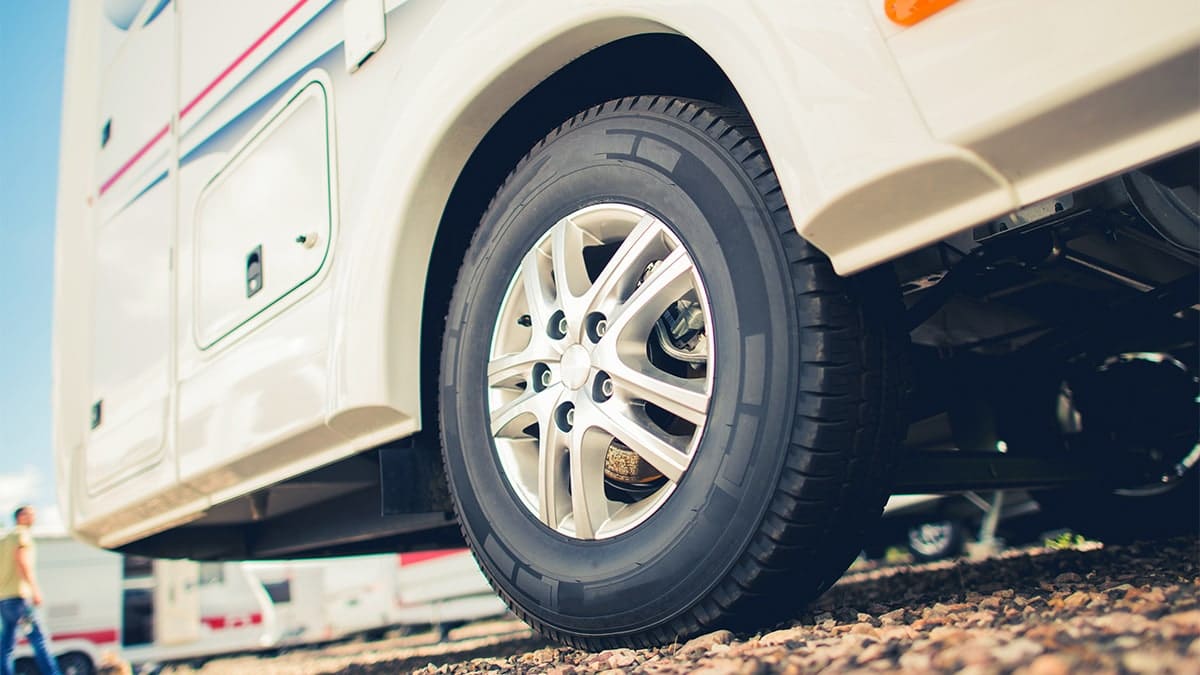
RV and trailer travelers should ask a few other questions. Will the rig fit in the lot? Is there room for a turn? Are there steep roads, low clearances or roads that are open but uncomfortable in a trailer or rig? Only rarely is a quirky detour worth it if it forces a three-point turn in front of onlookers.
And consider saving a backup stop at every must-see spot. Maybe the diner is too busy. Maybe the parking lot at the trail is full. Maybe it’s going to storm. With a backup stop close by, what might have been a nuisance can quickly become a switch of places. Sometimes the road has its own plans.
Keep room for the places you have not found yet
Well-chosen saved stops should add flexibility to a trip, not rigidity. Leave room on the map for those hand-painted signs that weren’t realized were there. Leave room in the appetite and in the day.
Best of all, maybe a favorite roadside stop is a pin on the map that has been a goal for months. Or maybe it’s a little museum a neighbor recommends while filling up the tank. A good rule is to think of saved stops as invitations, not requirements.
Take the anchors along, keep easy break points handy and leave room for others. Then, if at some point a compelling detour appears in the windshield, it might be taken.
Meet the Author

Get more vacation inspiration straight to your inbox.
By entering your email, you agree to receive marketing emails from Roadtrippers. You can unsubscribe at any time. See our Privacy Policy.


 Download from Play Store
 Download from Apple App Store
