A long day behind the wheel can make that next exit sign look like a lighthouse. But overnight parking for an RV isn’t simply about finding a large lot, driving in and killing the engine. Best of all, an overnight stop can let a traveler recharge, plan for the drive ahead and leave feeling good. And so can it for whoever is allowing parking on their property. More often than not, it comes down to a question, a little research and expectations for a restful night in a parking lot. A parking lot isn’t a campground. And by not treating it as one, travelers leave more options open for whoever drives by later.
What Overnight RV Parking Really Means
Often, overnight parking for an RV means spending one night at a place other than a campground. It could be a travel center, a truck stop, a fairgrounds, public land where dispersed camping is allowed, a city lot, a casino or a business. Each of these places has its own rules. Some will let a traveler park a self-contained RV but will want to check with their manager first. Others might let the RV park but won’t let anyone sleep in it (under local law). And a place that was great one year may well have new owners, rules or signs the next.
Think of such a stop more as a break than as a destination. The goal is to sleep in the rig, use its kitchen, bathroom and shower, then get back on the road. If travelers want to cook outside the rig, have a campfire, sit at a picnic table, let kids play, or spend more than one night in peace, they would be better off at a campground or RV park.
And don’t wait until night to look for a place to park. A traveler may have an empty tank, hungry passengers and 30 miles more in the day than expected. Try looking earlier in the day, when there is still energy to consider other options. Rather than putting all eggs in one lot, put together a short list of options. Look at the RV, where the departure will be tomorrow, the direction in front of the vehicle and how much driving is desired for the morning.
Start Looking Before You Are Tired
An overnight stop that saves 15 minutes tonight could cost an hour tomorrow. It might do that by putting the traveler on the wrong side of a busy city, away from fuel, groceries and the next turnoff to a scenic spot. Roadtrippers can show potential stops, campgrounds, fuel, attractions and the route. With that info, travelers won’t need to spend the whole trip planning the overnight stop.
Sometimes there’s an interesting roadside landmark, a national park entrance and a campground to book, and a short overnight stop in between. In that case, Roadtrippers can help decide where to stop. Wherever possible, try to pull into a spot in daylight. Then a traveler could read signs, check out the lot, pick a quiet spot and figure out how best to leave later. And in daylight it is easier to see low hanging branches, tight corners, dark spots in the lot and spots that might be reserved for customers or trucks.
Just because a chain is recognized, because a lot looks big or because someone wrote a review saying they welcome RVs, doesn’t mean they’ll welcome every traveler. It depends on the location. At one store in the same chain they might welcome an RV, at another they might not. It could be lot size, security concerns, city rules or even the decision of the store manager.
How to Ask for Permission
If unsure, park out of the way and then go talk to the manager. Here’s a formula. Tell them there is a self-contained RV and the traveler would like to stop here for the night and will be leaving in the morning. Where would the manager suggest the RV park? And are there any rules for overnight parking?
Better than asking whether they’ll allow parking is to ask directly. And if they say no, thank them and move on. They aren’t obligated to let anyone park and a courteous response will leave everyone feeling good. Even if they do allow parking, always follow their rules, not what someone told you in a review or what they might say. Signs prohibiting camping, overnight parking, idling and certain vehicles aren’t recommendations. Enforcement of such signs may vary from one location to another, but it’s up to the traveler to respect them.
Choose a Spot That Works for Everyone
Once permission has been given, park in the spot they point to. If none is available, choose a spot on a far side of the lot. Don’t use customer parking. Don’t block delivery traffic. Don’t go into truck spaces, cart corrals or under truck parking. Truck parking is infrastructure. It isn’t RV parking. And a professional driver needs every space available in order to take a required rest.
Choose a spot in the lot that’s level and where the rig could easily pull out. It is best not to have to weave between light poles, curb islands and traffic. Avoid corners in the lot where one would feel uneasy. And if possible, avoid spots under bright lights at the entrance, next to loading docks and near noisy equipment.
Listen to instincts. If a location feels unsafe, confused or that a rig wouldn’t fit in a spot, it is okay to move on. A few exits down there might be a paid campground. Especially if traveling with kids, pets or a tow vehicle that has trouble making tight turns.
Keep Your Stay Low-Impact
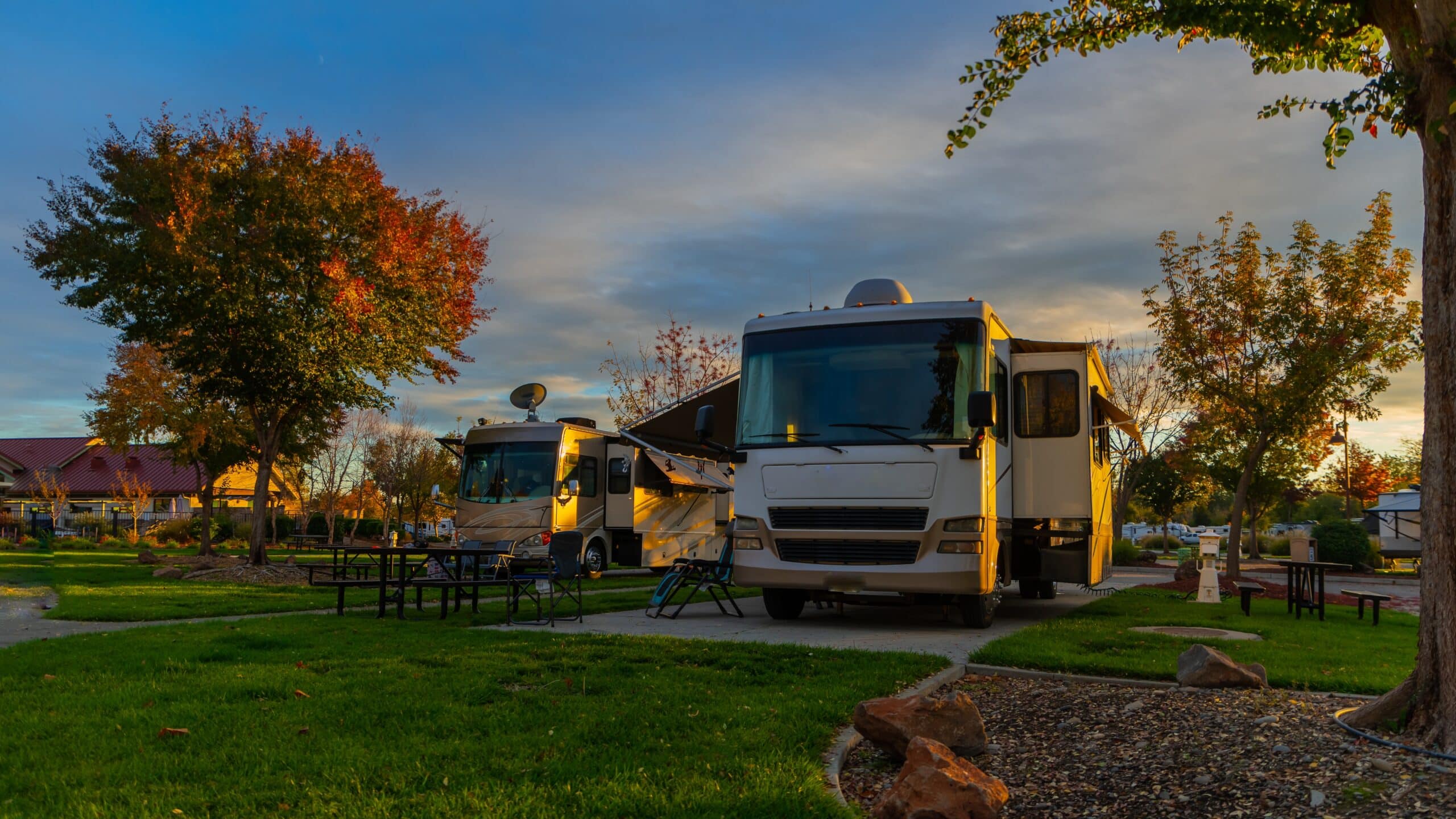
Here’s the unstated rule of overnight RV parking. Use only the attention and space needed for the night. That means (unless they are needed to get into the rig) no slides. It also means no awnings, no chairs, no grill, no outside rug and no camp set up around the rig.
Keep the volume down. Use a generator only when necessary and in a spot where it’s permitted. Other people in the lot, nearby residents, employees and travelers may well be trying to sleep too.
Keep pets contained, keep lights outside the rig dim and properly dispose of trash. And no dumping black or gray water in a storm drain, in the lot or in a restroom. Use a dump station where one is available.
If parking at a business, consider using it. If something needed for the trip is available there, consider picking up groceries, coffee, dinner, fuel or supplies. That doesn’t substitute for asking permission to park there. But it could let them know the space and services are appreciated.
Know When a Campground Is the Better Call
Often a free or low-cost stop will save money on a trip. But it’s not always the best option. A campground can have hookups, showers, a dump station, a quieter night and space to unwind.
After long days of driving, exhaustion might be saved by paying for a site. And there might be more fun on the hike, beach, museum or pie stop the next day.
When weather looks uncertain, batteries are low, or a water tank needs attention, a campground is a smarter bet than being on the road. And if there are plans for family or work, or if it’s a weekend near an attraction, a campground may well be a good option. Then the lot could be full, and local rules may be more strictly enforced.
Before heading to a public land campground, check up on rules at the agency managing that land. Dispersed camping can be a lot of fun. But road conditions, fire restrictions, time limits, seasonal closure and size limits on vehicles. A 38-foot motorhome and a van with high clearance, for example, won’t need the same access.
A Simple Pre-Sleep Check
Before digging in, take a minute to prepare. Check that permission has been granted, know any rules that might be posted, and think about how to head out in the morning. Lock up the RV, hide valuables and make sure it’s level enough for comfort. And set an alarm for an early start.
And while at it, free up the driver’s area of the RV and plan the route for the morning. In the middle of the night, someone might ask for the rig to be moved. It is best to be able to do that smoothly. And no one would want to be digging through bags, chairs and loose gear in the dark.
The goal is not to rack up free nights. Rather, they’re a way of making a road trip more flexible, courteous and restful, so travelers can savor the interesting detour that may await after sunrise. Leave the lot better than it was found. Get up early, and leave room for another good stop along the road.
Meet the Author

Get more vacation inspiration straight to your inbox.
By entering your email, you agree to receive marketing emails from Roadtrippers. You can unsubscribe at any time. See our Privacy Policy.


 Download from Play Store
 Download from Apple App Store
