A dead battery at a trailhead, a hailstorm on I-70 or a slow leak miles from the next service station can turn a good day of travel into a long one. In your RV emergency kit, before you hit the road, you’re not just putting in supplies. You’re giving your passengers comfort, options and more confidence to keep traveling.
In many ways, your RV is home, vehicle and base camp. And so its emergency kit needs to cover more than the one under the seat of your car. A good emergency kit for your RV isn’t about buying every gadget in the camping section of the store. It’s about anticipating the most likely problems on your trip, for this season and for your rig.
A Class A in July crossing the desert has different needs than a travel trailer going to a campground in the Pacific Northwest. Start with your trip. Temperature, elevation, hurricane season, risk of wildfires, likelihood of boondocking all will inform what should be in your kit.
Start With the Emergencies Your RV Could Actually Face
And your type of RV will shape your kit. For a motorhome, you’ll want tools and fluids specific to the vehicle. For a towable RV, more thought should go into the brake controller, trailer tires, hitch and tow vehicle. A pop-up camper would want more protection from the weather. And a big fifth wheel might need tools for a tire failure beyond what you’d find in a typical car kit.
Think of your kit in layers. You might want a small, easily accessible bag. A kit in an outside compartment. And comfort, food and water in the living area. In an emergency, you might not have time to open up a storage bay. And in a breakdown on the road, you wouldn’t want to dig through your stuff for a flashlight.
More often than not, an RV problem occurs on the road. And often we don’t think of the basics until we need them. Start with communication and visibility. In your kit include road flares or reflective triangles, a bright vest, a good flashlight or headlamp, spare batteries and a power bank for your phone. Headlamps are handy when you need to, say, check a tire or tighten up a loose connection in the dark.
How to Prepare an RV Emergency Kit for Roadside Trouble
Your roadside gear should also include:
An air compressor capable of the pressure of your RV’s tires and a tire pressure gauge appropriate for your tires
A lug wrench and socket, wheel chocks and a jack capable of lifting your rig’s loaded weight
Jumper cables or a jump starter, hand tools, spare fuses, electrical tape, zip ties, duct tape and gloves
An automotive/household-rated fire extinguisher, somewhere accessible, not stashed in a compartment in the rear of your rig.
And maybe a small tool to cut seat belts and break glass, if you’re driving a motorhome.
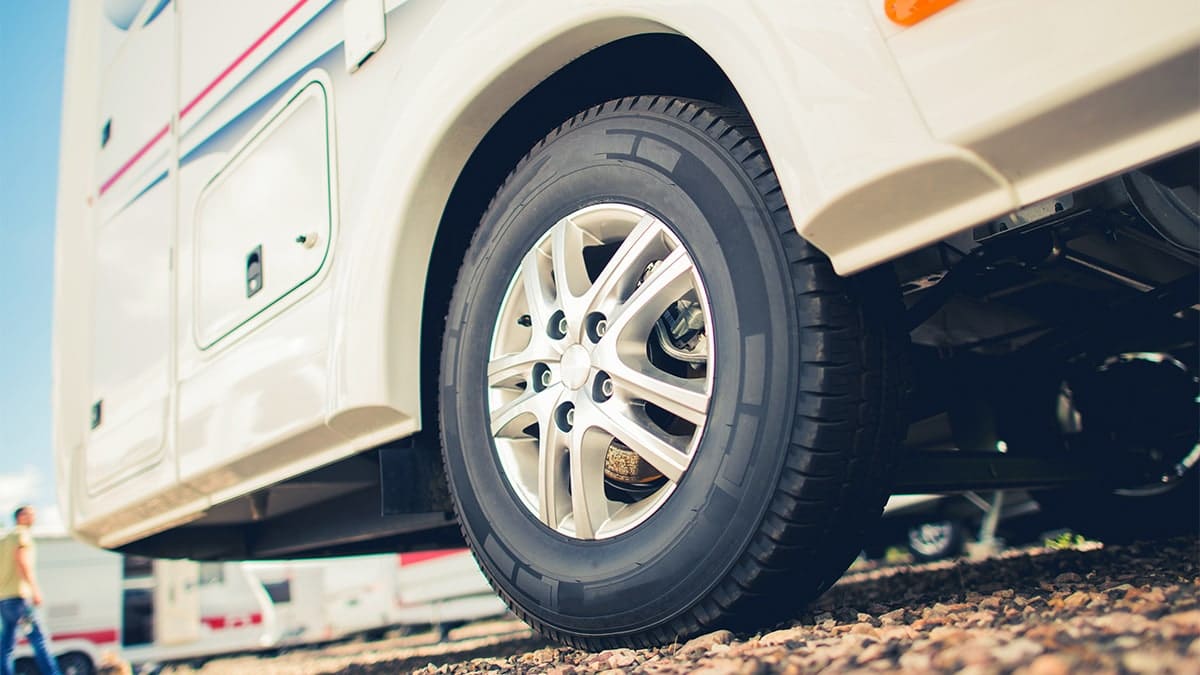
A spare tire is only useful if it’s easy to get to, inflated and you have tools to mount it. When you head out, inspect all your tires (including the spare) for age and condition. RV tires can look good even when they’re getting old. And you don’t want to discover that your lug wrench won’t fit your lug nuts in an emergency.
Pack a few things that could help you make temporary repairs. But don’t rely on them. Tape could hold a loose trim panel. A fuse could fix a circuit. But they won’t do the job of fixing, say, a broken brake line, a propane leak or a failing tire on a heavily loaded rig. If your repair involves fuel, propane, steering, brakes or structural integrity, call in someone qualified.
Cover Medical, Weather, and Overnight Needs
A good first-aid kit should reflect the activities and people on the trip. In addition to antiseptic wipes, bandages and blister treatment for long hikes, include tweezers for ticks or splinters. Throw in burn gel, painkillers, antihistamines and any medication that might be needed. Keep prescriptions in their original bottles. And if possible, bring a few extra days’ supply.
Toss in a card listing insurance, allergies, medications and emergency contacts. Include vet info for any pets. Phones can be useful until they run out of battery, get wet or lose signal. In a canyon, at a boat launch or elsewhere along a route, a paper copy could be useful.
Think about weather supplies. Warm layers, rain gear, waterproof matches or lighter, and emergency blankets are essential. If traveling in an area where cell coverage may be spotty, consider bringing a weather radio.
If in a hot climate, consider adding cooling towels, electrolyte packets, extra water and sun protection. In cold conditions, even when the forecast at a campsite calls for mild weather, consider bringing gloves, a hat, hand warmers and an insulated blanket. High desert nights and mountain weather often break from what’s forecast for the day.
Most important of all, pack water. Keep an emergency reserve separate from the tank supply, in case of camping off the hookups. How much is needed depends on the route, climate, pets and group size. But consider at least a few gallons of sealed drinking water. And complement it with no-cook, shelf-stable food. Think protein bars, crackers, canned food (and can opener), nut butter and, if applicable, pet food.
Do Not Forget RV-Specific Safety Gear
RVs have features that most cars don’t: a freshwater tank, propane, house batteries, slide-outs, and often a generator. An emergency kit should include supplies for all of these. Put a carbon monoxide detector (with good batteries) and a propane detector in the rig. Before a big trip, check the existing detectors.
Near a bedroom or kitchen exit, keep a fire extinguisher. And if using a generator, bring appropriate fuel and store it safely. Never use a generator in an enclosed space or one where its exhaust could enter the RV.
A plumbing and electrical kit can be helpful in a campground. In it, include a water-pressure regulator, a short length of hose, hose washers, plumber’s tape, a surge protector for the electrical service and disposable gloves.
With a basic multimeter, a traveler could troubleshoot a dead 12-volt circuit. But before heading out into a rainstorm in a rig, it is wise to brush up on the basics. If often traveling off-grid, include a power bank, a lantern, solar charger, paper maps and a water purifier in the kit.
When driving beyond the last cell tower, paper maps can come in handy. Roadtrippers is a nice tool for planning stops and routes. But in some stretches of a drive, it would be a good idea to have a backup set of maps.
Store It So You Can Use It Under Pressure
A kit sitting in six different compartments is no good. Put it in weatherproof, clearly labeled bins. Put the heaviest items at the bottom. And put medical items somewhere where they won’t be too hot or too cold. Heat can ruin adhesives and medications.
Every travel season, and before longer trips, the kit should be inspected. Check food and medication for expiration dates. Check batteries, fire extinguishers and power banks. And make sure everyone in the travel party knows where the important items are.
At this point, check the campground reservation, fuel stops, and roadside assistance. It’s easy to think of every contingency and try to include everything in a kit. But in reality, a well-organized, understood kit is better than a bunch of stuff in a cargo bay that no one can locate.
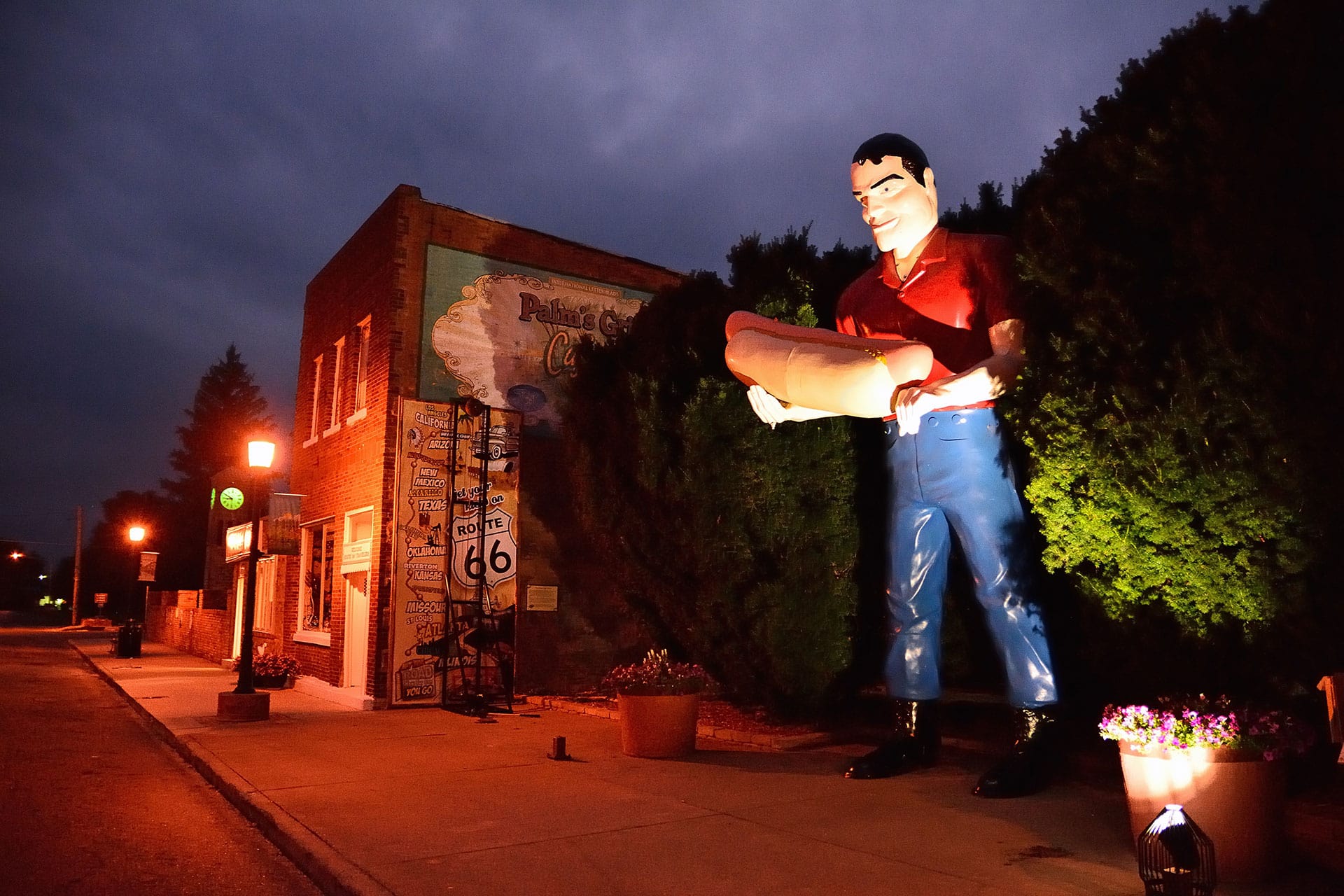
Tailor the kit to the trips. Update it as travel needs change. And let it open up room for nice surprises on the road: maybe an interesting roadside attraction, an empty overlook or an extra night under a sky worth seeing.
Meet the Author

Get more vacation inspiration straight to your inbox.
By entering your email, you agree to receive marketing emails from Roadtrippers. You can unsubscribe at any time. See our Privacy Policy.



 Download from Play Store
 Download from Apple App Store
