The best road trip detours aren’t distractions from the route. More often, they’re what makes a drive into a story worth telling. Best practice is not to want to stop at every place passed. A good detour adds place to a drive, but doesn’t turn the day into a string of parking lots, hours of operation and complaints from passengers. Whether crossing a state in a sedan, heading to a national park in a camper or taking the kids on a long weekend trip, with a little planning travelers can build in the unusual and the special.
Distance is only part of the equation. A five-mile detour on a busy Saturday afternoon along the coast could take an hour. A 15-mile detour on a quiet scenic byway may feel effortless.
What Makes a Road Trip Detour Worth It?
Ask why a stop at a place is desired. Maybe for lunch, a walk, a look at local business, a view, an activity or something never found on a map. Often the best stops have more than one purpose. A historic downtown could be a place for lunch, a walk and a look at local business. A state park could be a place for a picnic, fresh air and a low-key campground. A roadside attraction could be a talking point for the passengers and a break from long, boring stretches of interstate. Equally important to distance is timing.
Think in time, not just miles
If a place has set hours, seasonal hours or limited parking, plan the day around those. But if it’s an overlook, mural, old trading post or quirky landmark, be more flexible. These could be good stops for passengers who want to get out of the car but aren’t up for two hours at a place.
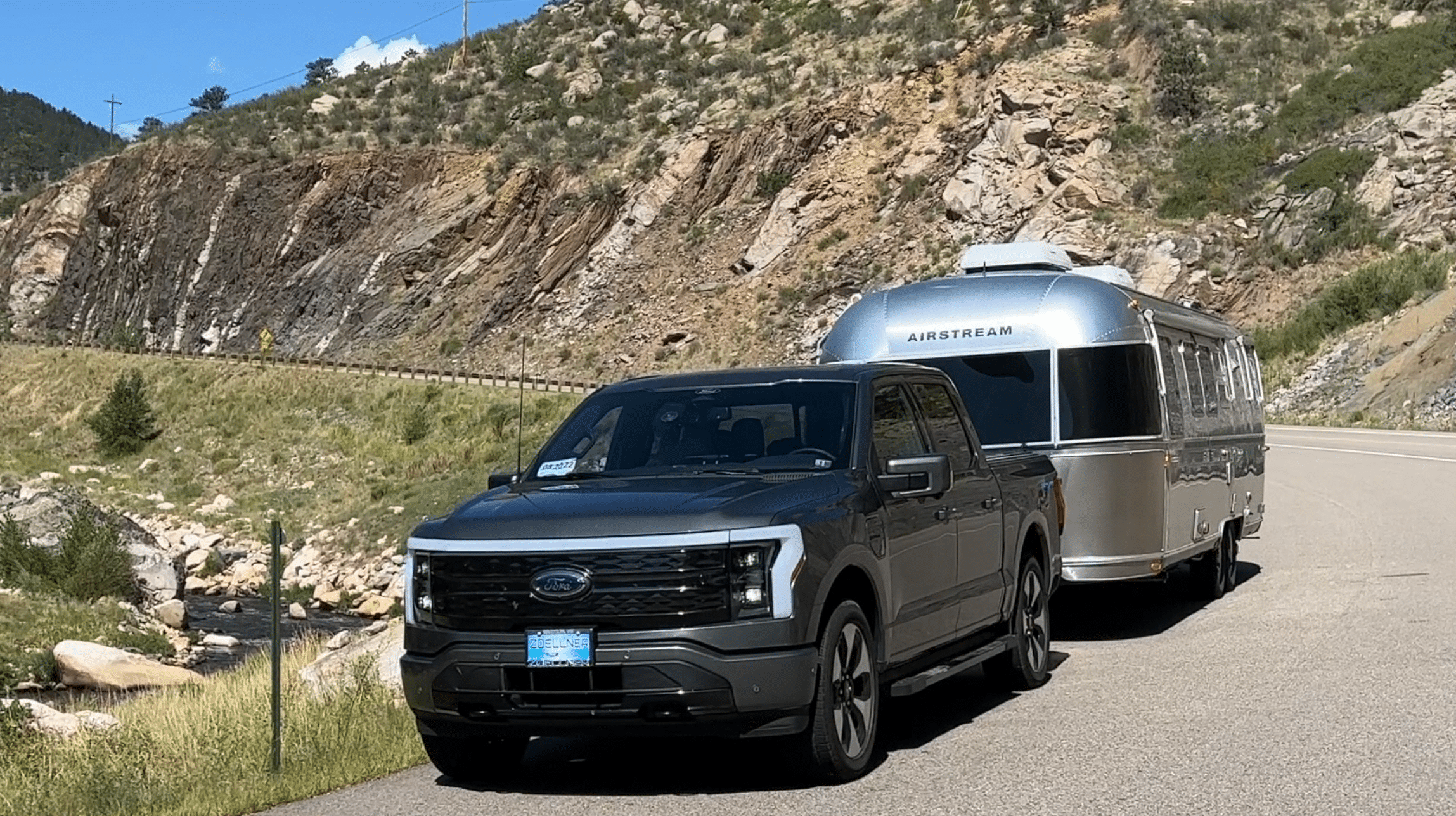
Before adding a stop, consider its cost in time, finding parking, walking from the parking area, standing in line and experiencing the site. For many people, a 30-minute detour adds up to almost an hour on the itinerary. Families with small children, people pulling a trailer, and those unfamiliar with an urban area would do well to build in even more time.
That doesn’t mean all detours should be short. Some could well form the heart of a day’s drive. A waterfall hike, a tour of a cavern, a museum of local history or a drive through a national forest could all be such a stop. But don’t try to fit more than one big attraction into a day’s driving. And leave time for fuel, food, weather, traffic and that great food truck passed on the way.
How to Plan Road Trip Detours Without Losing the Day
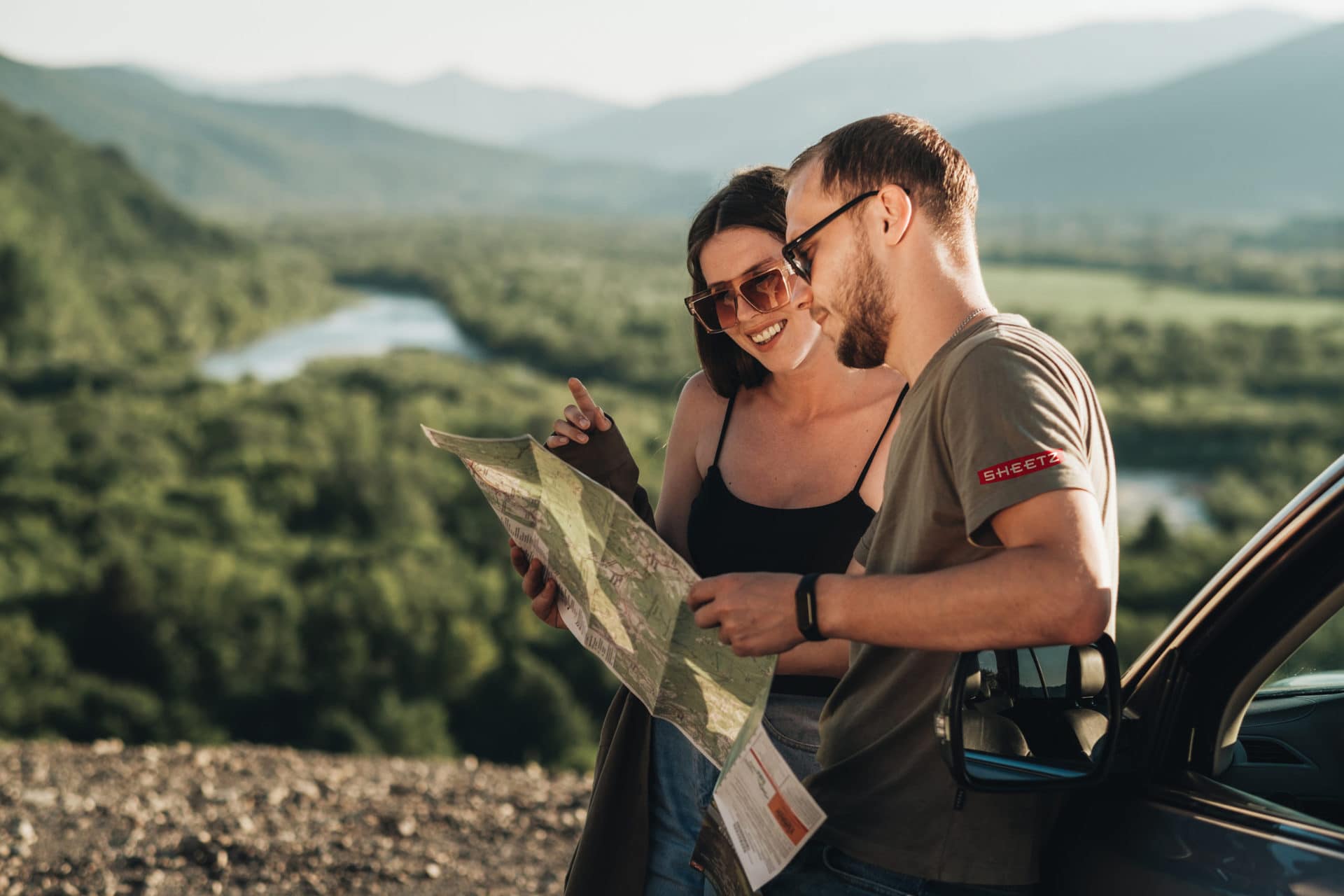
Start with the must-do elements of a trip: lodging, any time needed for a reservation, and hours desired to spend driving. Then consider the stretch of road between these points. Don’t just think of the straight-line route on a map. Often, interesting places will lie at an exit, on an old highway or on a parallel scenic route.
Here’s a useful three-part approach.
- First, pick one or two must-see stops.
- Second, think of a few other places along the route that might interest the traveler.
- Third, keep in mind a few practical options (a restaurant, campground, grocery store or park) in case plans shift.
In this way, even an unplanned trip would have options. And a more deliberate trip would have a backup. In the trip map tool, scenic routes, attractions, local favorites, campgrounds and practical points are brought together along the route.
Build a daily detour budget
The traveler can see what would happen to the route if something was added. And sometimes, even if a detour seems short on the map, it actually requires more driving.
A detour budget isn’t just about time and money. It’s about attention, energy and daylight. Many people could easily do one interesting stop and a couple of quick breaks in a day’s driving. On a lighter day, they might add a trail, a guided tour and a long lunch.
Choose Detours for the People in Your Vehicle
The same roadside spot can be a highlight for one person and a wasted drive for another. A couple on a weekend trip might happily drive 40 minutes to a steaming hot spring. A family with a dog might want a trail along a lake, a shady spot for a picnic. Motorcyclists might want mountain overlooks and winding road. A multigenerational family might want a picnic spot, some shade, and a place to let its bones rest.
Let each of you pick one spot. In long trips, this simple rule ensures each person feels he or she has something in the day. One person might choose a ball of twine the size of a small car. Another might pick a bakery full of local treasures. Another might just want a secret swimming hole. Not every spot will be epic. But in the search for them, there’s magic.
If you’re traveling with kids, don’t save all the excitement for the end of the trip. Every couple of hours, a 15-minute break could save you a stormy afternoon. Look for candy shops, brief boardwalks, playgrounds, visitor centers, spectacles you could see from your car window and pie counters. It’s not about filling up every minute of the day. But it’s about giving the day energy.
Know When to Skip a Detour
A good route will include the wisdom to let something slip away. A viewpoint can wash out in a downpour into a gray smear. A favorite attraction can become a hassle in a crowded parking lot. Or a long line, tired driver or arrival at camp at midnight could be a sign to keep moving.
It’s not a waste of planning to skip a spot. In that way, you protect the jewels of your trip. Maybe you could use it on the drive home, put it on a map for next time or let it call you back. In this country there are more pie counters, trailheads, local legends, scenic byways, odd landmarks than any one person could possibly see in a lifetime.
And sometimes a detour isn’t the same as a diversion. If all you have to sell a stop is that there’s a spectacle nearby but no one feels compelled to go there, keep your eyes on something better. Best stops give you the sense of discovery, not obligation.
Leave Space for the Unplanned Stop
Often the most haunting road trips have one stop no one researched: a farm stand piled high with peaches in July, a museum run by volunteers with some very specific collection, a glow of neon on a ghost highway, or an overlook recommended by the clerk at an isolated gas pump.
A good way to make such serendipity possible is to avoid a detailed itinerary. Try to get to your overnight destination before you run out of gas, if that means parking your RV, pitching your tent or cooking dinner.
Pick up maps of gaps in service, keep nectar and water handy and note the next good chance for gas along the way. Then head into the unknown. And if a side road promises a view or the timber at some roadside attraction shouts “World’s Largest,” you could take the turn and wouldn’t worry you’d spoiled the day.
That’s the magic of a good route. It opens the door to the unexpected.
A stop missed isn’t bad planning. It’s a way of preserving the best bits of your trip. Maybe save it for your drive home, add it to a map for another trip, or let it call you back.
In this country there are more pie counters, trailheads, eccentric landmarks, local legends, scenic byways and local myths than any one person could see in a lifetime.
And a detour isn’t always a delay. If all you could sell at a stop is that there might be a spectacle nearby but no one feels moved to go there, keep your eyes on something else.
Best stops give you a sense of discovery, not obligation.
Meet the Author

Get more vacation inspiration straight to your inbox.
By entering your email, you agree to receive marketing emails from Roadtrippers. You can unsubscribe at any time. See our Privacy Policy.


 Download from Play Store
 Download from Apple App Store