In old-school road trips, the rule was: see a gas station, keep moving. EV trips need intention. And in return they open up a more curious, slower pace of travel. Maybe in the time it takes to charge, a traveler will pass a museum with a local legend, a bakery in a mountain village or an hour spent by a lake they would otherwise have rushed past at 75 mph. But don’t think of charging as an interruption. Build it into the trip.
Pick a route that respects the car’s range, the charging network and the places a traveler would love to stop along the way. And an EV can be a wonderful tool for discovering America, one magical detour at a time. Start with the trip desired. Don’t start with chargers. Pick a family reunion, a stadium, a coastal town, a pie museum or a national park that would make the drive come alive.
Planning Electric Vehicle Road Trips Around Real Stops
Then look at the route between those points. Find reliable charging spots along it, near a curio, a restroom, a feast or a lakeside at night. This order matters. On a charging map, a route may look easy, but in practice every stop could be a lonely parking lot off the interstate. And a 30 minute charge at a downtown parking lot could be just what a long day of driving needs.
Most travelers find more joy in picking a few charging spots on a daily route, rather than planning every minute. Pick where a driver would most like to charge each day, where they could always count on another charge, and where they might sleep while the car charges. And leave room on the route for that gargantuan fiberglass thing passed, or the vista, or the labyrinth, that catches the eye.
A tool like Roadtrippers could overlay points of interest and charging spots on one map. In that way, the route could support the trip, instead of sending a driver miles off-road to plug in.
The car’s range estimate on the dashboard can be useful, but don’t take it as gospel. Range depends on speed, temperature, wind, rain, load in the car and the spirit behind the wheel. A compact EV will use energy very differently over a flat highway on a warm spring day than an SUV loaded down with gear in the Rockies.
Learn your vehicle before the long haul
Before heading off on a quest, go on a few local or regional trips similar to the one planned. Check out the chariot on the highway. Practice using fast chargers, starting one, finishing one and moving the car when finished. And if a driver hasn’t used a particular charging network before, it’s better to pull up its app and payment system from the driveway than to struggle in the dark with hungry kids in the back seat.
Check that the vehicle can use whatever connector a charging station has. And take along any charms that might be needed. Fast chargers, like so many things in this space, are changing quickly. Depending on model year, maker and station, a charger seen on the map may or may not be able to work with the EV. Don’t assume one of those chargers will work with the EV. Check the connector and the process for accessing it.
Often fastest charging happens when the battery isn’t empty and isn’t full. That suggests it might be better to stop every so often to charge up, say, from 20% to 80%, rather than empty the battery and sit and charge it up to 100%.
Make charging time part of the day
But there’s no hard and fast rule here. If there’s no charging station for miles, if it’s storming, or if the route is headed up a rocky spine, consider pulling in more. A few more sparks won’t hurt if a traveler might be arriving in the middle of the night, driving a long stretch of lonely highway or encountering some special roadside attraction with no nearby charger.
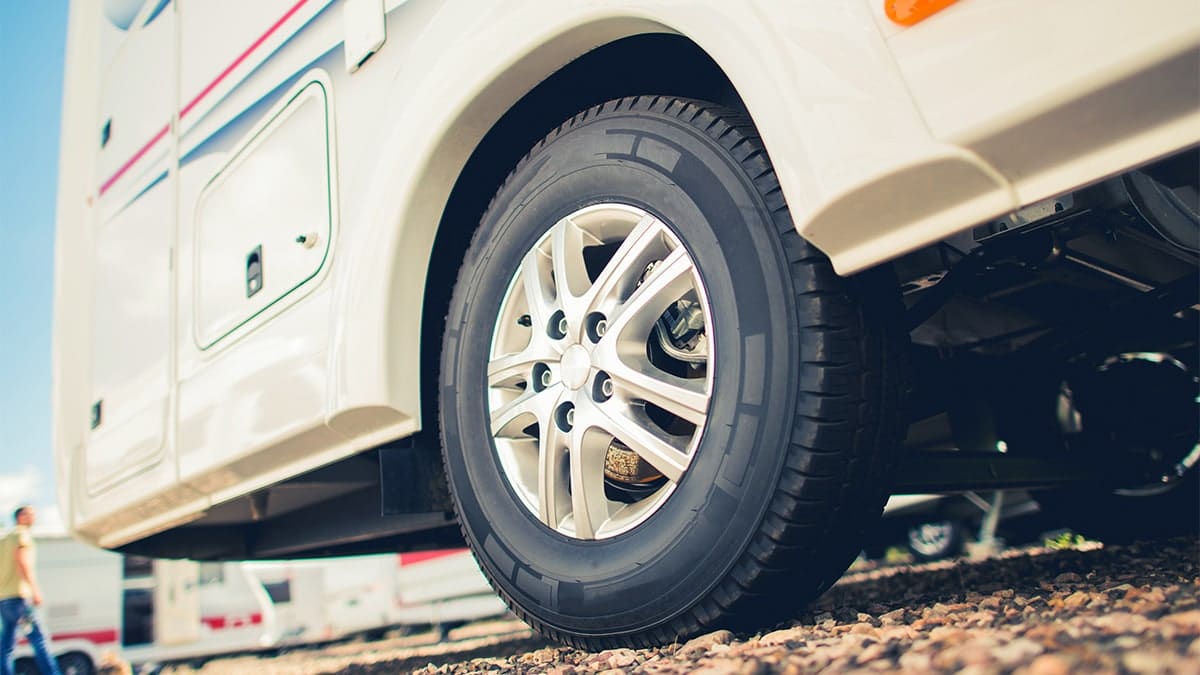
Consider time as much as distance. If the tribe wants a feast, find a charging station where a feast could be pulled off. If traveling with a hound, find a place with plenty of green space and a safe walking trail. If you are towing, driving an RV, or hauling bikes, prioritize stations with roomy pull-through layouts. A charger may technically be on your route, but that does not make it a good stop for every vehicle.
The overnight charge is your secret weapon
Hotels, cabins, campgrounds and vacation rentals that include overnight charging can make a big difference in an EV trip. If you wake up with a full battery, the day could start with a head straight to a trail, diner or scenic byway in the morning. There would be no need to drive to a charging station first.
Before booking, ask about charging at the property. “EV charging available” could mean a reliable set of Level 2 stations, or just an outlet in the parking lot. Ask if the chargers work, if they’re available to guests, if there’s a cost and if overnight parking is permitted. If using a wall outlet, check that the car and charging equipment would work with it. And check the property rules.
Often, campgrounds would be a good place for an EV traveler. But typically the electrical service at campgrounds isn’t set up for vehicle charging. Before plugging in, ask whether it’s OK to use the electricity, what kind of service is available, and don’t use equipment that could overload the circuit or inconvenience other campers.
Build a backup plan without planning the fun away
Every road trip has its surprises. With an EV, a charger might be busy, down, in front of an idling gas car or too slow. That shouldn’t stop a traveler from taking the trip. But it should make one think about alternatives. At every big fast-charging stop along a route, pick up at least one other charging option in reasonable driving distance.
Before heading out, and again during the drive, check status on the charger. If it’s not available, adjust the plan as soon as possible, while there are still options. Otherwise, a slow charge could turn into a stressful detour as the battery runs low.
In places with spotty cell service, pick up maps and route information for potential charging options. That might be mountain passes, desert highways, rural roads or national parks, where the scenery is stunning but signal bars are not. Keep charging apps open, consider bringing a card from the network, and have the adapter or cable that comes with the car.
Trip planning should always include the basics for people: water, snacks, layers, medicine and patience. When the charge at a station takes longer than expected, it’s much easier with these in hand.
Watch the conditions that change range
Weather is often the greatest variable in an electric vehicle road trip. Cold weather cuts into available battery energy and adds to heating needs. In hot weather, the climate system has to work harder. Heavy rain, headwinds and hills all add to energy use.
There is no need to check every forecast, but it is necessary to build some margin into a trip. In tough weather, make shorter legs between charges, charge a little more often and try not to pull up to a remote charger with almost no charge left.
If an EV can precondition its battery for fast charging, take advantage of that. Often, even in cold weather, it’s better to warm or cool the battery before starting to charge. That can improve performance.
And consider the speed. A few minutes could be saved at each stop by going faster, but in doing so enough range might be eaten up to need a longer charge later. Often, on a road trip, the best speed is one that lets the driver take the scenic route when a sign appears for something unusual and cool.
Give the route room to surprise you
Best of all, an EV trip isn’t one with the most elegant charging pattern. It’s one that lets travelers experience the places they set out to visit, and leaves room for the unexpected.
Think of key places to stop for charging. And think of options if a charge is needed but none is available. Then let the road take the trip somewhere it wouldn’t have gotten to otherwise.
Maybe a diner with a pie that everyone talks about after the trip. Maybe a historic main street. Maybe a swimming hole. Maybe a neon-lit motel. A bit of charge in the car and a bit of margin in the schedule could go a long way.
Meet the Author

Get more vacation inspiration straight to your inbox.
By entering your email, you agree to receive marketing emails from Roadtrippers. You can unsubscribe at any time. See our Privacy Policy.




 Download from Play Store
 Download from Apple App Store