A family road trip packing list earns its keep somewhere between the last gas station before a national park and the backseat request for a sweatshirt, charger, and different snack all at once. The goal is not to bring your whole house. It is to pack the things that keep a flat tire, a surprise rainstorm, a missed meal, or an extra-appealing roadside detour from derailing a great day on the road.
The smartest approach is to pack by when you will need an item, not by what room it came from. Keep the things you may reach for while driving within arm’s reach, build one easy-access bag for each overnight stop, and put the rest where it will not become a trunk avalanche.
Start your family road trip packing list with the car
Before anyone chooses a playlist, give the vehicle a quick pre-trip check. Road trips put more stress on tires, fluids, brakes, and batteries than the school drop-off routine. A little attention at home is much easier than troubleshooting beside an unfamiliar highway.
Bring your driver’s license, vehicle registration, proof of insurance, roadside assistance information, and any campground or lodging confirmations. Keep them together in a small document pouch rather than scattering them between a glove box and someone’s backpack. If your route crosses several states, save key addresses and reservation details offline too. Cell service gets spotty in exactly the places with the best views.
Your vehicle kit should include these practical basics:
- A properly inflated spare tire, jack, lug wrench, tire pressure gauge, and jumper cables or jump starter
- First-aid supplies, flashlight or headlamp, reflective vest, emergency blanket, and multipurpose tool
- Paper towels, wet wipes, hand sanitizer, trash bags, and a roll of toilet paper
- Reusable water bottles, extra drinking water, sunscreen, bug spray, and ponchos
Check the weather along the whole route, not only at your destination. A summer drive from Phoenix to the Grand Canyon can require sun hats, rain jackets, and a warm layer in a single day. In mountain or winter conditions, add traction gear, a scraper, warm blankets, and more food and water than you think you will need.
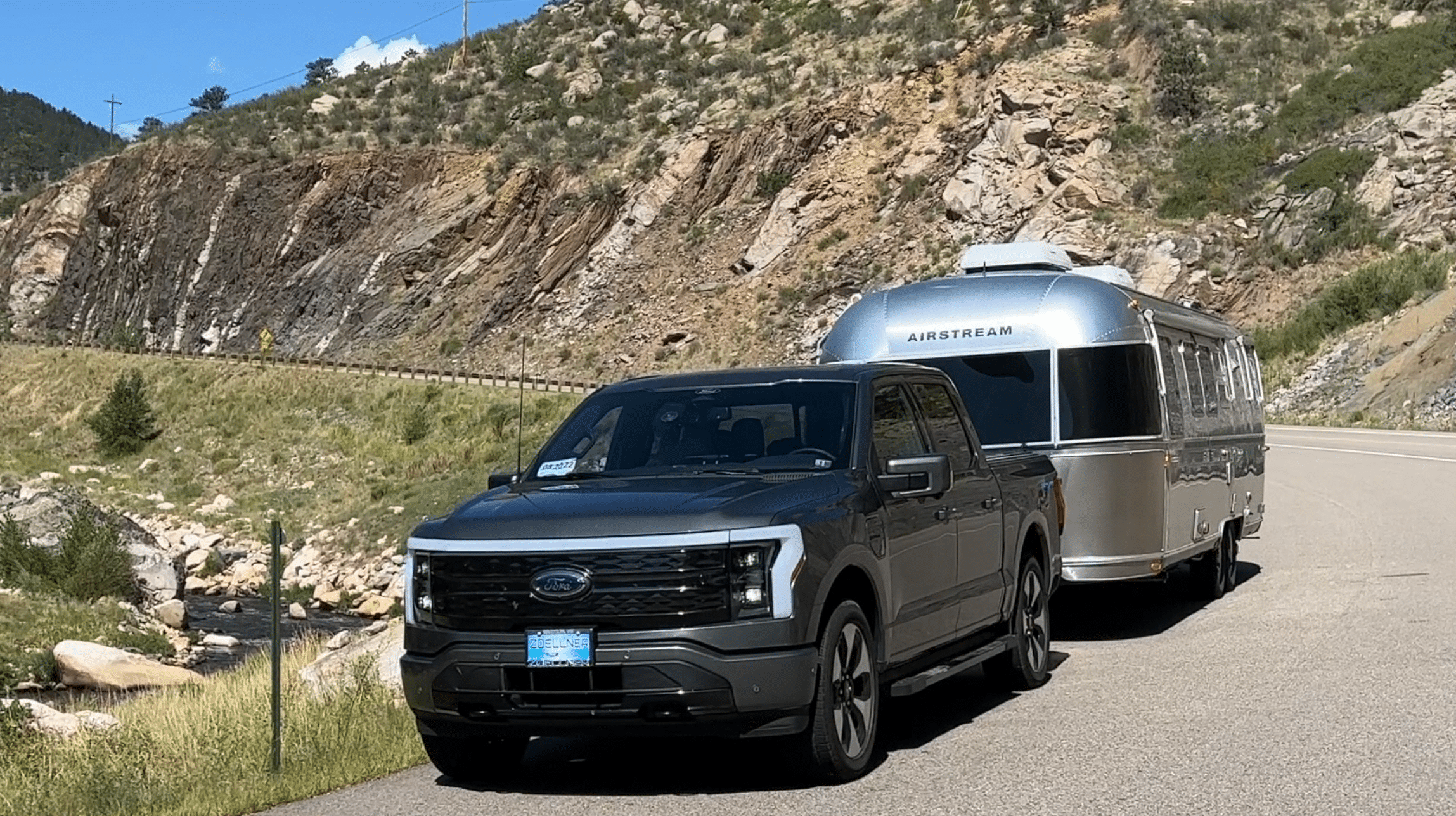
If you are towing a camper or driving a motorhome, the list gets more specific. Confirm your route works for your vehicle’s height, weight, and propane needs before leaving. Pack leveling blocks, sewer and water connections, work gloves, a basic tool kit, and a spare fuse assortment where they are easy to find. The right route is part of packing, especially when a low bridge or a no-RV parkway is not a detour you want to discover live.
Create a grab-now cabin bag
The front of the car should hold the supplies that solve minor problems without requiring a full stop and trunk excavation. Think of this bag as your rolling command center. A soft-sided tote or seat-back organizer works well because everyone can see what belongs there.
Include charging cables, a car adapter, battery pack, sunglasses, tissues, wipes, medications needed during the drive, and a few zip-top bags for motion sickness or unexpected messes. A small notepad and pen still come in handy for gate codes, ranger station directions, or leaving a note on the dashboard at a trailhead.
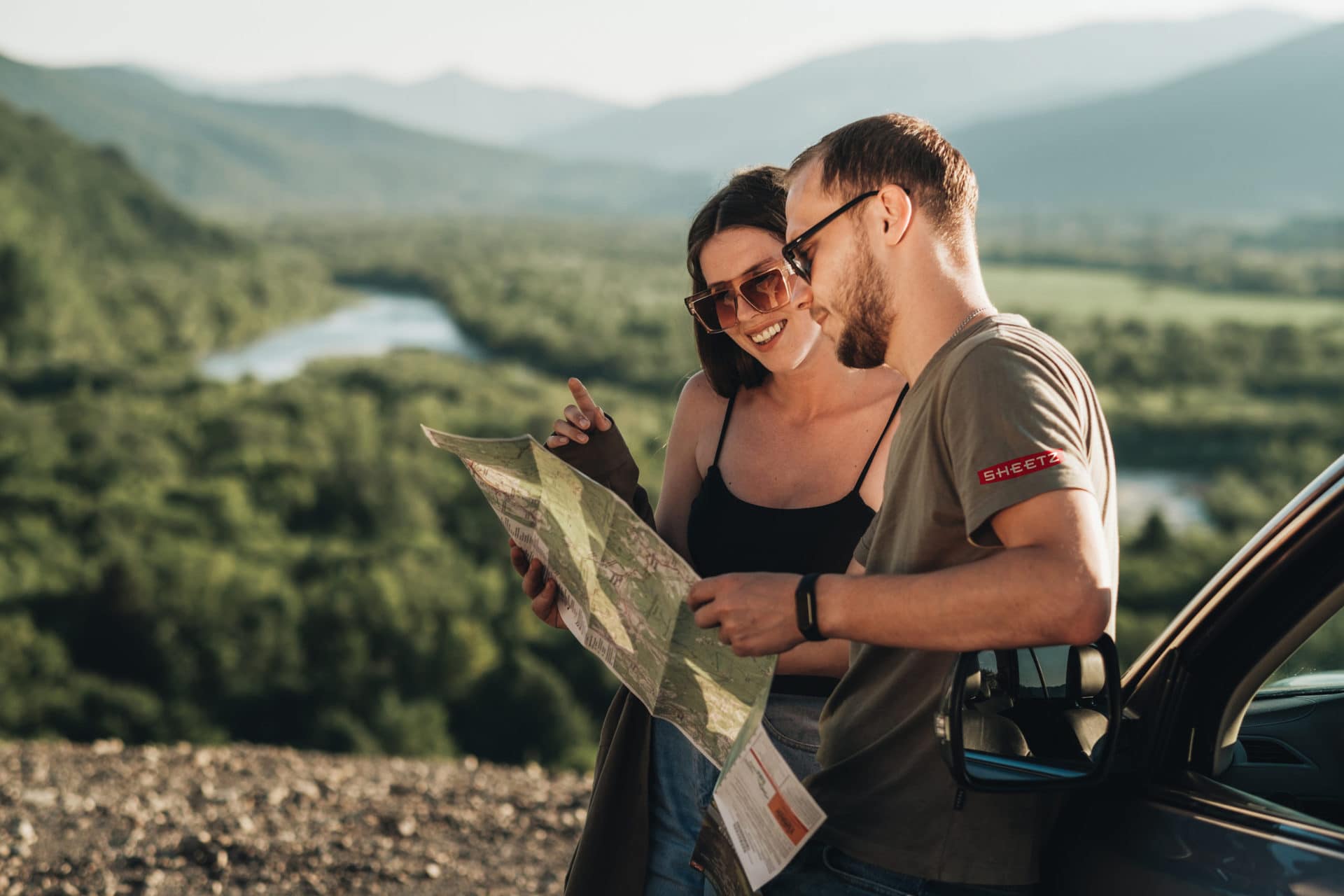
Navigation deserves a backup plan. Download maps, playlists, podcasts, and audiobooks before departure, especially for scenic byways and park roads. Roadtrippers can help organize your route, stops, and fascinating detours in one place, but it is still wise to have offline access and a general sense of the next town, fuel stop, and turnoff.
For families with young kids, keep one “emergency calm” item out of sight until it is truly needed. It might be a favorite stuffed animal, a new activity book, or a familiar audiobook reserved for the final hour. The novelty is often more valuable than the item itself.
Pack snacks like you are planning a tiny roadside market
Hungry travelers do not make their best decisions, whether they are toddlers or adults trying to pick a lunch spot at 2:30 p.m. Pack a mix of sturdy snacks, protein, fruit, and treats, then make them easy to distribute. Individual portions reduce backseat negotiations, while a small cooler gives you more options than gas-station chips.
Build snack choices around your actual travel day. A six-hour drive with frequent stops needs less food than a long interstate stretch through remote country. Consider dietary restrictions, summer heat, and how crumb-prone each item is. Grapes and cheese sticks may be worth the cooler space; powdered doughnuts may not be worth the upholstery consequences.
A useful setup includes a cooler for perishables, a dry-food bin, and a small day bag with the next round of snacks. Refill water bottles at every major stop. If you are camping, pack a simple picnic kit with plates, utensils, a cutting board, dish soap, and a tablecloth or blanket. It turns a scenic pullout or city park into a much better lunch break than eating balanced on the bumper.
Make comfort portable for kids and adults
The most memorable road trips leave room for weird roadside museums, swimming holes, and spontaneous pie stops. They also include long stretches where everybody needs to be reasonably comfortable. Dress in layers, even in warm weather, because air conditioning and changing elevations can make the backseat feel chilly fast.
Give each child a small personal travel bag or packing cube with a sweatshirt, change of clothes, pajamas, underwear, toothbrush, water bottle, and one comfort item. This keeps essentials from vanishing into the family luggage and makes hotel or campground arrivals less chaotic. For babies and toddlers, add diapers, wipes, a changing pad, bibs, formula or feeding supplies, and at least two more outfit changes than seems logical.
Entertainment works best when it is varied. Pack books, coloring supplies, sticker activities, card games, headphones, and a few screen-based options for the right moment. Avoid handing out every activity at the starting line. Rotate them with rest stops and save new items for the stretch when patience runs thin.
Adults need comfort supplies too. Bring a light blanket, neck pillow if you use one, medications, lip balm, and footwear that works for both a gas station stop and an unplanned trail. If someone in the family gets carsick, keep their medication, ginger chews, water, wipes, and a disposable bag within reach, not buried under the duffels.
Pack overnight gear to avoid the parking-lot shuffle
Nothing tests a family’s road-trip spirit like carrying six loose bags into a hotel after dark. Use one overnight bag per person for clothes and toiletries, then keep bulkier gear in separate bins. For a multi-night itinerary, packing cubes make it easier to locate socks without unpacking half the car.
Set aside a dedicated “first in, last out” bag for lodging or camping. It can hold pajamas, toiletries, chargers, medications, a book, and tomorrow’s clothes. If you arrive at a campground, add headlamps, a lantern, camp shoes, and a warm layer. If you are staying in hotels, a swimsuit is worth keeping handy because a pool can rescue a rainy afternoon or burn off energy after a day in the car.
For outdoor stops, pack a compact daypack with a small first-aid kit, refillable water bottles, snacks, rain shell, sunscreen, and map. National parks and popular overlooks can have limited services, so do not assume the visitor center will have exactly what you forgot.
Leave room for the road to surprise you
Do one final walk-around before pulling away: luggage secured, cooler closed, chargers packed, wallets accounted for, and the route ready. Then leave a little empty space in the car. You may find a farm stand with fresh peaches, a vintage shop with the perfect souvenir, or a roadside attraction that deserves more time than your original plan allowed.
A good packing list creates breathing room, not a perfectly controlled trip. Bring what helps your family handle the practical stuff, then let the open road do its part. The next great stop may be one exit farther than planned.
Meet the Author

Get more vacation inspiration straight to your inbox.
By entering your email, you agree to receive marketing emails from Roadtrippers. You can unsubscribe at any time. See our Privacy Policy.


 Download from Play Store
 Download from Apple App Store