A great national park road trip itinerary is not a contest to collect the most park signs in the fewest days. It is the difference between watching sunrise paint the canyon walls and arriving at the overlook after dark, tired, hungry, and wondering why the drive felt like a shift at work. The best routes leave room for trailheads, pie counters, roadside dinosaurs, weather changes, and the occasional place that makes everyone say, “We have to stop.”
The trick is to plan the backbone carefully, then let the good stuff happen around it. Whether you are traveling in a sedan, hauling a camper, or bringing three kids and a cooler full of snacks, this is how to build a park trip that feels like a vacation instead of a series of parking-lot sprints.
Start Your National Park Road Trip Itinerary With a Region
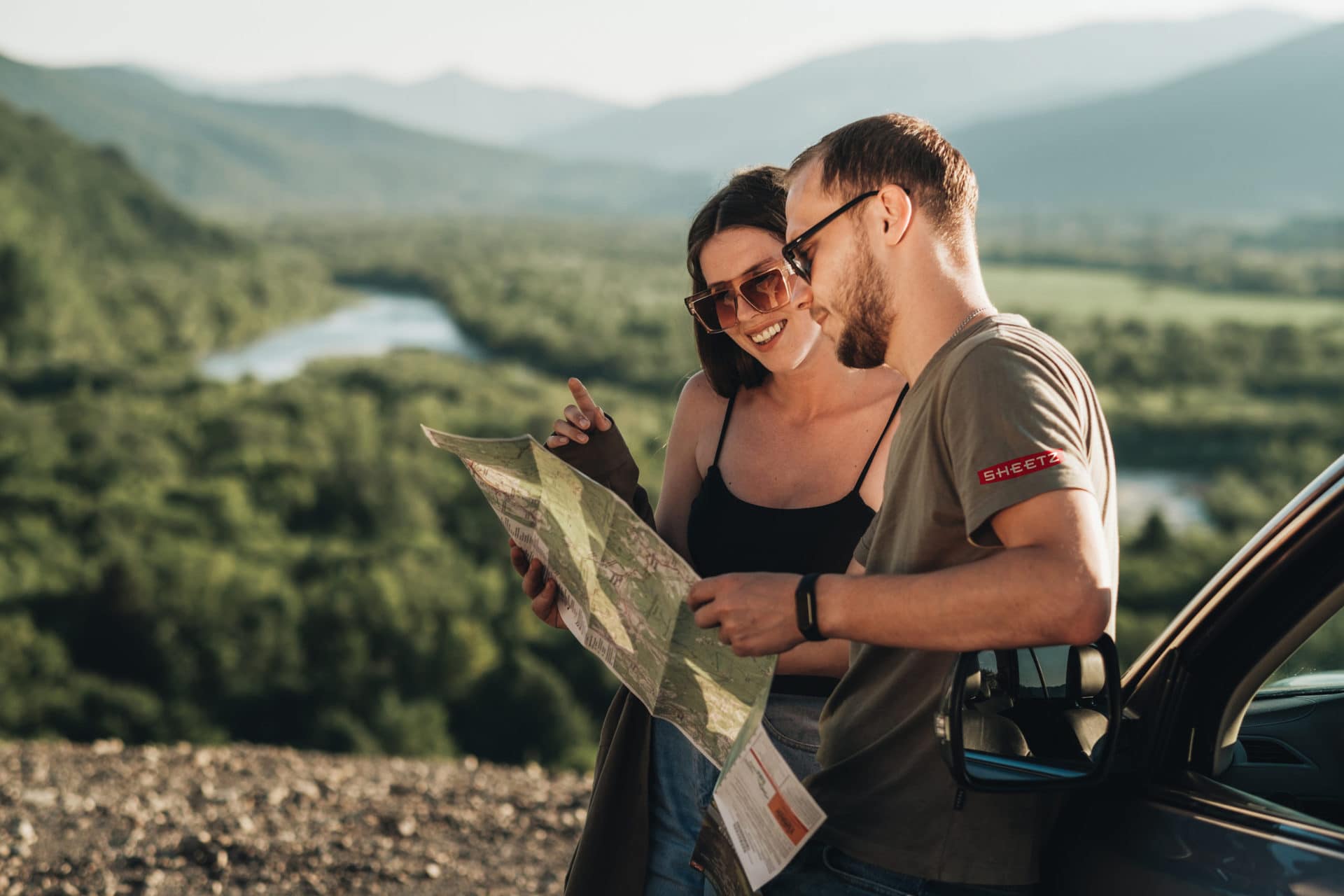
Trying to connect parks across the entire country can look terrific on a map and feel punishing from behind the wheel. Parks are not evenly spaced, mountain roads are slower than they appear, and a five-hour drive can turn into seven once you add fuel, food, construction, photo stops, and a search for a campground.
Choose one region and let the landscape tell a connected story. Southern Utah is made for a red-rock loop through Zion, Bryce Canyon, Capitol Reef, Canyonlands, and Arches. Northern Arizona and western Colorado pair the Grand Canyon with Petrified Forest, Mesa Verde, and Black Canyon of the Gunnison. In California, Yosemite, Sequoia, Kings Canyon, Joshua Tree, and Death Valley can create several distinct trips depending on the season.
A regional plan gives you more time outside the car and makes it easier to build in the weird and wonderful. A fossil shop, a classic motel sign, a local diner, or a scenic byway can become part of the memory rather than another pin you pass at 70 mph.
Build Around Drive Days, Not Straight-Line Miles
Mileage is only a starting point. For most park trips, a comfortable travel day is about three to five hours of driving, particularly if you want to hike or sightsee after arriving. Six to seven hours can work as an occasional repositioning day, but stacking those days together drains the energy from the trip.
Mountain routes, two-lane highways, park entrances, and RV-friendly roads all change the math. A 140-mile drive through the Sierra Nevada or across Glacier’s surrounding mountain roads may take longer than a 250-mile interstate stretch. If you are in an RV, account for lower speeds, fuel stops, grade restrictions, bridge clearances, and the time it takes to set up camp.
Give each destination a job. One overnight stop may simply break up a long drive. Another might be a two-night basecamp for hiking, ranger programs, and a slow morning with coffee outside the tent. A third might deserve three nights because it is the park your group has been talking about for years.
A useful rhythm is to alternate active park days with lighter days. After a long hike in Zion or a sunrise start in Acadia, schedule an easier drive, a scenic overlook, or an afternoon in a small town. Your itinerary will have more breathing room, and everyone will be more likely to enjoy the next big trail.
Put Reservations and Seasonal Rules on the Calendar First
Many of the country’s most popular parks now use timed-entry systems, vehicle reservations, shuttle requirements, or permits for specific areas and trails. Campgrounds can disappear months ahead, especially during school breaks and fall color season. These details are not the glamorous part of trip planning, but they determine whether your route works.
Before locking in lodging, check the current rules for every park on your route. Look for entrance reservations, backcountry permits, shuttle schedules, road closures, pet restrictions, and seasonal road openings. High-elevation parks can still have snow well into spring, while desert parks can be dangerously hot by midday in summer.
Then reserve the pieces that are hard to replace: campsites, popular lodges, major permits, and any lodging near a park with limited access. Keep your remaining nights more flexible when possible. A small town 30 to 60 minutes from the gate may offer better availability, lower prices, and a good excuse to find a standout breakfast burrito before heading in.
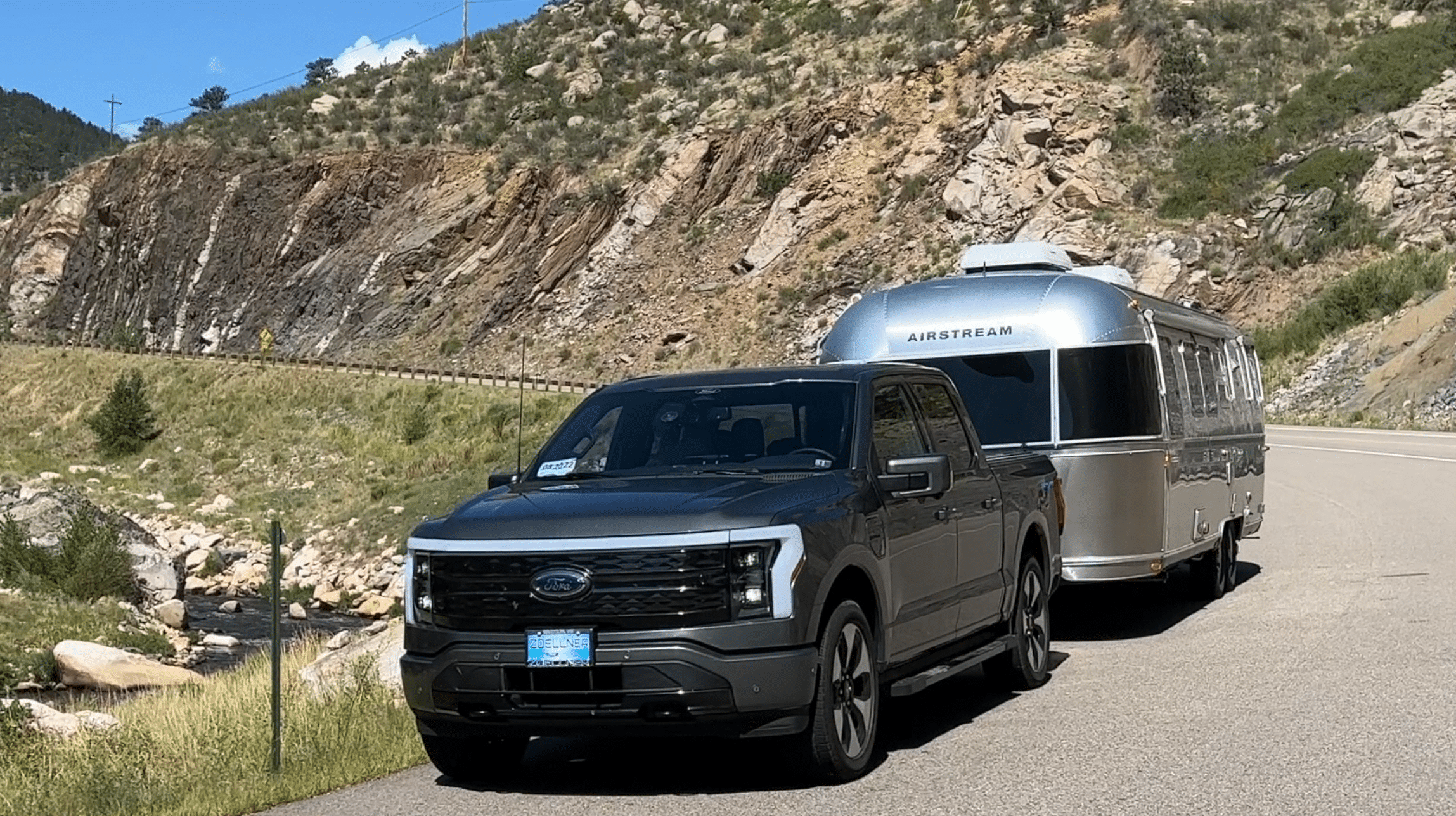
For RV travelers, verify campsite length, hookups, generator rules, dump-station access, and whether the access road is suitable for your rig. “Near the park” can mean a winding road with sharp turns and no fuel for many miles. Those are manageable surprises only if you know about them before sunset.
Choose One Big Experience Per Park Day
Every park has more to do than you can fit into one visit. Trying to see it all is how a trip becomes a blur of windshield views and rushed photos. Pick one anchor experience each day, then add smaller stops around it.
Your anchor could be a hike, scenic drive, wildlife viewing area, boat trip, ranger-led program, or sunrise at a signature viewpoint. In Yellowstone, that might mean a day devoted to the geyser basins rather than trying to combine Old Faithful, Lamar Valley, Grand Prismatic, and the Grand Canyon of the Yellowstone before dinner. In Great Smoky Mountains, it may be an early Cades Cove loop followed by a short waterfall hike and an unhurried evening in town.
This approach also helps groups with different energy levels. One person can tackle a longer trail while others visit the visitor center, browse a nearby town, or take a gentler walk. Meet back up for the shared highlight instead of forcing every traveler into the same pace.
Plan for the hours that matter most
National parks often reward early starts. Wildlife is more active, temperatures are cooler, parking lots are less chaotic, and the light is better. You do not need to wake up before dawn every day, but reserve those early alarms for the experiences that truly benefit from them.
Afternoons are ideal for a scenic drive, a museum, a swim, a nap at camp, or an indoor stop during a thunderstorm. In desert parks, the middle of the day is often the time to rest and refill water, not begin an exposed hike.
Add Detours With Intention
The road between parks is part of the trip. A national park itinerary should include a few detours, but not so many that every day becomes overstuffed. The sweet spot is choosing stops that match the personality of your route: a historic trading post on a Southwest loop, a lakeside bakery near a mountain park, or an offbeat roadside landmark that gives the kids a reason to climb out of the car.
Use a route-planning map to look beyond the nearest gas station. Roadtrippers can help surface attractions, scenic drives, campgrounds, and local finds along the way, so the space between park gates feels less like a commute. Save more ideas than you need, then decide in the moment based on weather, energy, and how much daylight you have left.
Not every detour deserves a stop. A place may look fun but require a 45-minute backtrack, or it may be perfect if your planned hike gets rained out. Treat these pins as options, not obligations. The ability to skip something without guilt is one of the quiet luxuries of a well-built route.
Give Your Itinerary a Weather Plan and a Plan B
Park weather has a way of ignoring your carefully chosen dates. Smoke can alter views and air quality, afternoon storms can close exposed trails, desert heat can change hiking plans, and a late snowstorm can shut a pass that looked wide open last week.
For each major stop, identify a backup that works in different conditions. If a high-alpine hike is stormy, consider a lower-elevation trail, scenic drive, visitor center, or nearby town. If extreme heat makes a canyon hike unwise, switch to sunrise viewpoints and a cool afternoon museum. If a road closes, avoid trying to “make up” every missed mile by driving late into the night.
Download offline maps before service disappears, keep paper or saved reservation details handy, and top off fuel before entering remote areas. Carry more water than you expect to need, especially in the Southwest. For shoulder-season trips, pack layers that can handle a sunny trailhead, a windy overlook, and a cold campsite in the same day.
Leave White Space in the Route
The strongest itineraries have open pockets. Maybe it is a free afternoon in Moab, a spare morning outside Olympic, or an unbooked roadside stop between Shenandoah and New River Gorge. White space is where you take the trail recommended by a ranger, wait out a storm, linger beside a lake, or follow the smell of barbecue into a town you had never planned to visit.
Aim to finish each day with enough daylight to settle in, eat, and look at tomorrow’s plan. If that feels impossible on paper, reduce the number of stops. You are not giving up the trip by cutting a park or adding a night. You are making room to actually experience the places you drove so far to see.
When you finally pull into a viewpoint with a full tank, a little daylight, and nowhere urgent to be, take the extra five minutes. That is usually where the road trip starts telling its best story.
Meet the Author

Get more vacation inspiration straight to your inbox.
By entering your email, you agree to receive marketing emails from Roadtrippers. You can unsubscribe at any time. See our Privacy Policy.


 Download from Play Store
 Download from Apple App Store