A great Pacific Coast Highway itinerary is not about checking off every famous overlook before dark. It is about giving the coastline room to surprise you: elephant seals piled on the sand, a foggy redwood grove, fish tacos after a long beach walk, and one more pullout that somehow becomes the photo you remember most.
For most travelers, the sweet spot is seven to 10 days from San Francisco to San Diego. That pace leaves time for the headliners and the weird and wonderful little stops that make California Highway 1 feel like a road trip, not a commute. Driving north to south also puts the ocean-side pullouts on your right, which makes many stops easier and often safer to access.
Before You Build Your Pacific Coast Highway Itinerary
The name can be confusing. Pacific Coast Highway usually means California Highway 1, but it is not one uninterrupted road from Northern California to San Diego. In particular, the Big Sur section can close after storms, landslides, or roadwork. A closure may require a significant inland detour or make through-driving between Monterey and Morro Bay impossible.
Check current California road conditions shortly before departure, then build a flexible route with overnight stops that can shift by a day. Do not assume an app’s fastest route is the scenic route, either. Highway 101 often becomes the practical backup when Highway 1 is closed.
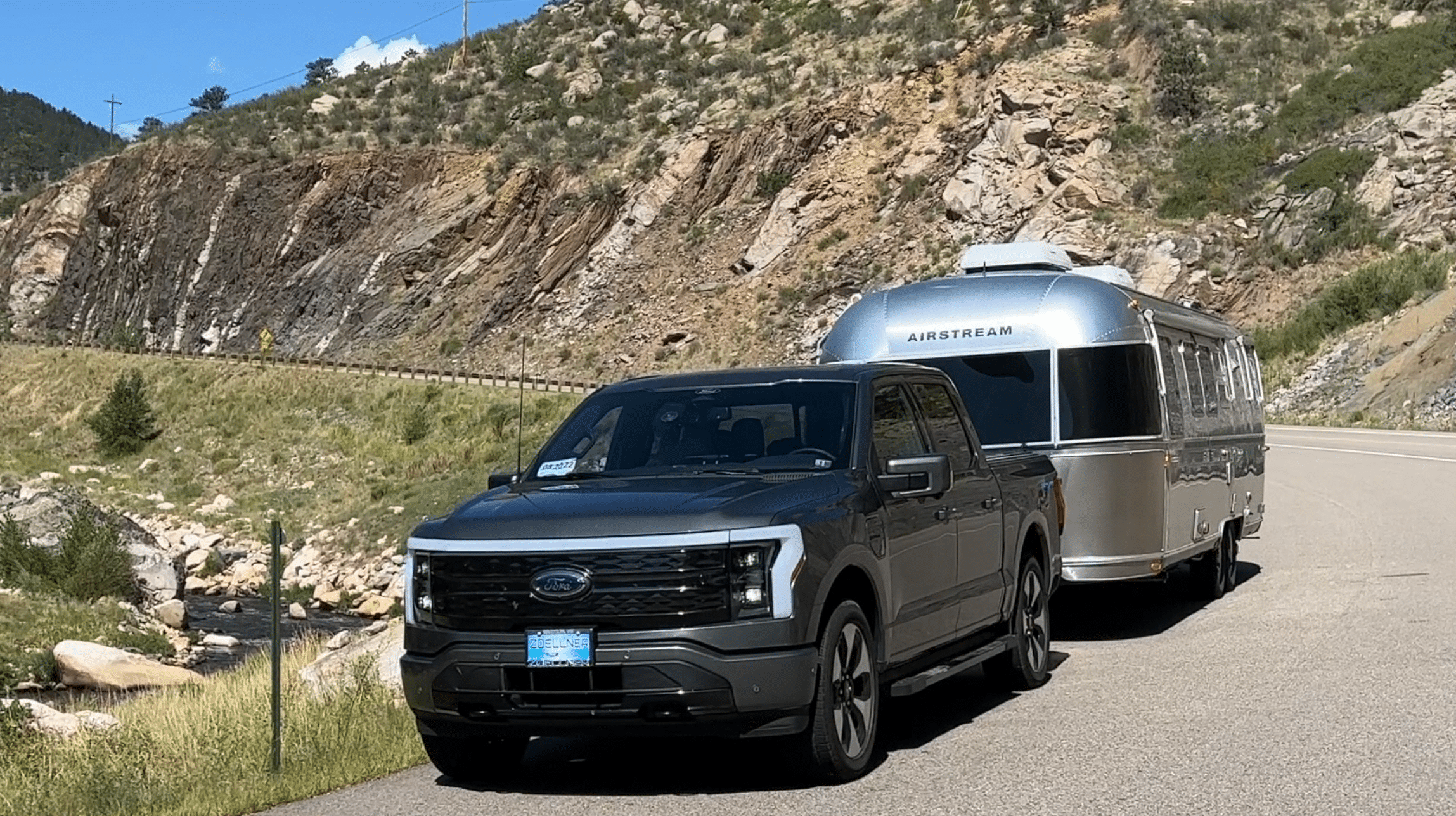
This route works beautifully in a car, motorcycle, camper van, or RV, with a few trade-offs for larger rigs. Coastal roads can be narrow, curvy, and short on shoulder space. If you are in a motorhome or towing, plan shorter driving days, reserve campgrounds early, and use RV-aware navigation rather than following a tempting shortcut down an unverified back road.
The best time to go
September and October are hard to beat: summer crowds ease, the weather is often warm, and coastal fog is less persistent. Spring brings green hillsides and wildflowers, though rain can affect road conditions. Summer offers long daylight hours but also busier beaches, higher prices, and the marine layer locals call June gloom. Winter can be wonderfully quiet, but it demands the most flexibility.
A 9-Day San Francisco to San Diego Route
This itinerary is designed for travelers who want scenic driving without spending every afternoon behind the windshield. Have only a week? Combine a couple of city stays or skip one. Have 10 days? Add a second night in Big Sur, Santa Barbara, or Laguna Beach.
Day 1: San Francisco to Santa Cruz
Start with a memorable city morning, then cross the Golden Gate Bridge and head south. If you have time, detour through Half Moon Bay for cliffside views and a beach walk. The coast begins to feel more rugged as you approach Santa Cruz.
Spend the night in Santa Cruz or nearby Capitola. The Santa Cruz Beach Boardwalk brings classic Americana energy, while Natural Bridges State Beach is a calmer place to watch seabirds and, in season, monarch butterflies. It is a short drive day on purpose. Get your supplies, download offline maps, and settle into road-trip mode.
Day 2: Santa Cruz to Monterey and Carmel-by-the-Sea
Follow Highway 1 through the agricultural fields around Watsonville and into Monterey Bay. Stop at the Monterey Bay Aquarium if it fits your travel style, then make time for Cannery Row and the waterfront. Families may want a longer Monterey stay; travelers chasing quiet scenery can move on sooner.
The 17-Mile Drive between Monterey and Carmel is a worthwhile splurge for many first-time visitors, especially for its cypress trees, rocky coves, and Lone Cypress viewpoint. It does charge an entrance fee and can be busy, so an alternative is to spend that time wandering Carmel Beach and the village. Overnight in Carmel, Pacific Grove, or Monterey.
Day 3: Monterey to Big Sur
This is one of America’s legendary driving days, even though the mileage is modest. Leave early, because the best Big Sur experiences happen when you can park, walk, and linger. Bixby Creek Bridge is iconic, but the redwood-lined trails at Pfeiffer Big Sur State Park and the dramatic coastline at Garrapata State Park offer a deeper sense of place.
McWay Falls is another classic stop, where a waterfall drops toward a bright turquoise cove. Access rules and parking conditions change, so treat it as a possibility rather than a promise. Big Sur lodging is limited and expensive, making this a smart place to book early. Campers should be equally proactive.
Day 4: Big Sur to Cambria or Morro Bay
If Highway 1 is open south of Big Sur, continue past dramatic cliffs toward San Simeon. Hearst Castle is a strong choice for architecture and history lovers, while the elephant seal rookery is a low-effort, high-reward stop that appeals to almost everyone. Keep a respectful distance from wildlife and give yourself time to simply watch the beach activity.
Cambria has an artsy, small-town feel and makes a relaxed overnight. Morro Bay is a little farther south, with its unmistakable volcanic rock rising above the harbor. Choose Cambria for cozy village energy or Morro Bay for waterfront sunsets and an easier start the next morning.
Day 5: Morro Bay to Santa Barbara
This stretch trades wild cliffs for wine country, beach towns, and open Central Coast views. In San Luis Obispo, consider a walk through downtown or a stop at the kitschy Madonna Inn. Farther south, Pismo Beach offers a classic boardwalk break before Highway 1 and US 101 carry you through rolling hills.
Santa Barbara earns a full afternoon. Walk Stearns Wharf, explore the red-tile architecture around the courthouse, or rent a bike for the waterfront path. It can feel polished compared with Big Sur, but that is part of the fun: this route is at its best when every overnight has a different personality.
Day 6: Santa Barbara to Malibu and Santa Monica
Leave time for the slow coastal route through Carpinteria and Ventura. If you like local history, stop in Ventura’s compact downtown before following the coast toward Point Mugu. The mountains appear to tumble directly into the Pacific here, a reminder that Southern California has plenty of dramatic scenery beyond its famous cities.
In Malibu, choose one beach rather than trying to see them all. El Matador State Beach is photogenic but involves stairs and can be crowded. Zuma Beach is easier for a long walk and a more laid-back afternoon. End in Santa Monica, where the pier, bike paths, and sunset crowds deliver classic California energy.
Day 7: Santa Monica to Laguna Beach
Los Angeles traffic is the itinerary’s least romantic reality. Avoid planning too many timed attractions and give yourself a generous buffer. If you want an urban stop, Venice Beach offers people-watching and boardwalk oddities; if not, follow the coast toward the Palos Verdes Peninsula for bluff-top views.
Once you reach Orange County, the pace changes again. Huntington Beach has surf-town character, while Crystal Cove State Park offers tide pools, coastal trails, and historic cottages. Stay in Laguna Beach for galleries, coves, and walkable restaurants. It is a good place to slow down after the busier Los Angeles stretch.
Day 8: Laguna Beach to San Diego
The final leg is short enough to make room for a real beach morning. Newport Beach, Dana Point, and San Clemente each work as a stop, depending on whether you want harbor views, coastal trails, or surf culture. Do not rush past San Onofre State Beach, where the bluffs and open shoreline feel unexpectedly wild this close to the city.
Arrive in San Diego with time for La Jolla Cove, where sea lions lounge near the walkway and the water often glows at sunset. Finish in the Gaslamp Quarter, Little Italy, Ocean Beach, or North Park based on your mood. A final fish taco is not mandatory, but it is a very good idea.
Make the Drive Better Than the Map
A route this famous rewards a little planning discipline. Limit yourself to two or three must-do stops per day, then save a handful of optional places nearby. That protects the magic of finding a farm stand, a roadside vista, or a beach you had not planned to love.
Roadtrippers can help organize those saved places into a route, estimate fuel costs, and keep the group on the same page as plans evolve. Download your route before you lose signal in Big Sur, and keep water, snacks, a jacket, and a charged power bank within reach. Coastal temperatures can change fast, even on a sunny day.
If a closure changes your plan, do not treat it as a failed trip. Take the inland route, find a small-town diner, add a redwood trail or a winery stop, and let the road show you a different California. The best coastal itineraries leave enough space for that kind of detour.
Meet the Author

Get more vacation inspiration straight to your inbox.
By entering your email, you agree to receive marketing emails from Roadtrippers. You can unsubscribe at any time. See our Privacy Policy.


 Download from Play Store
 Download from Apple App Store